
TRAVEL DIARY:
In the Cool Shade of Cambodian Hospitality
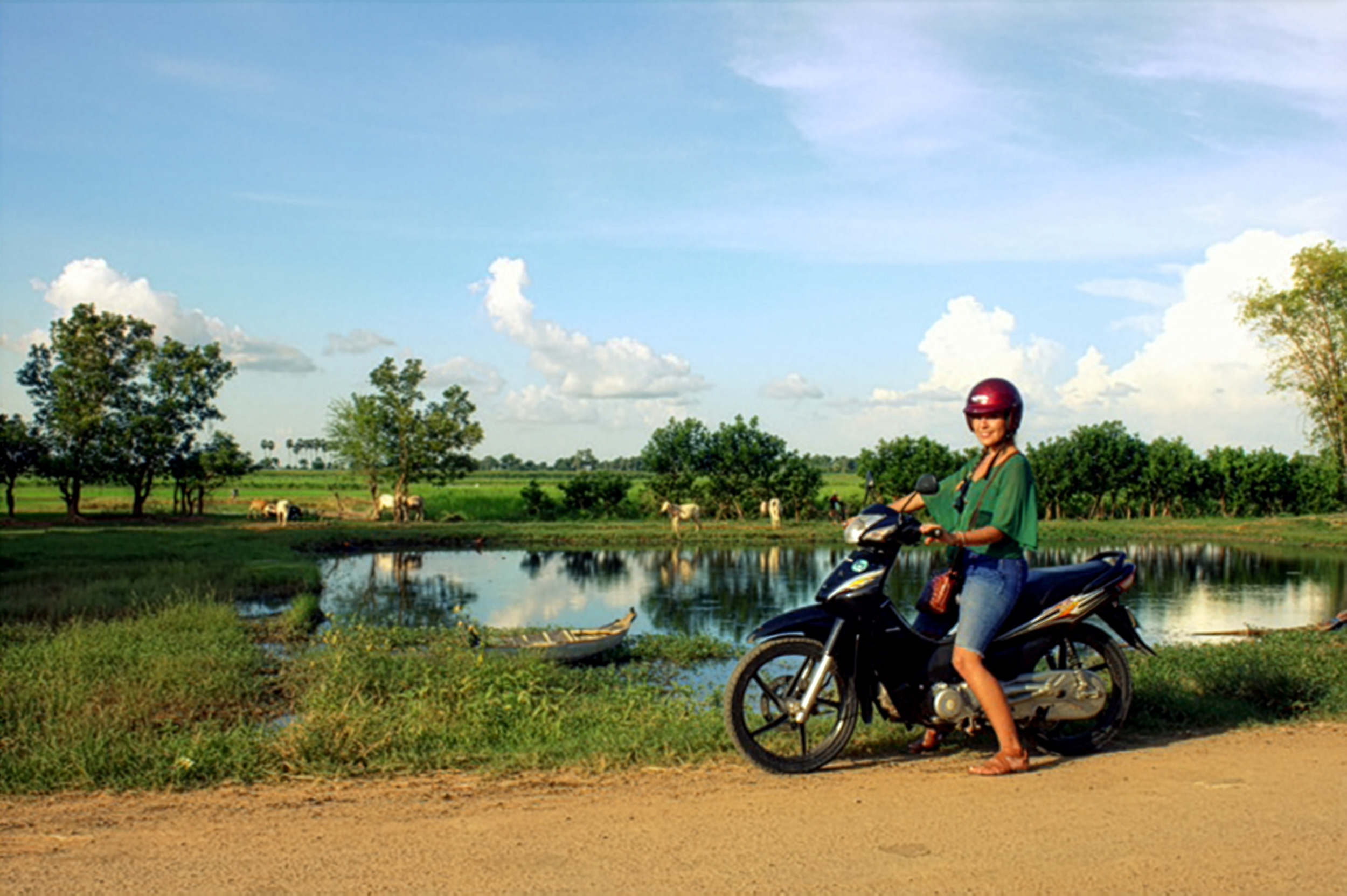
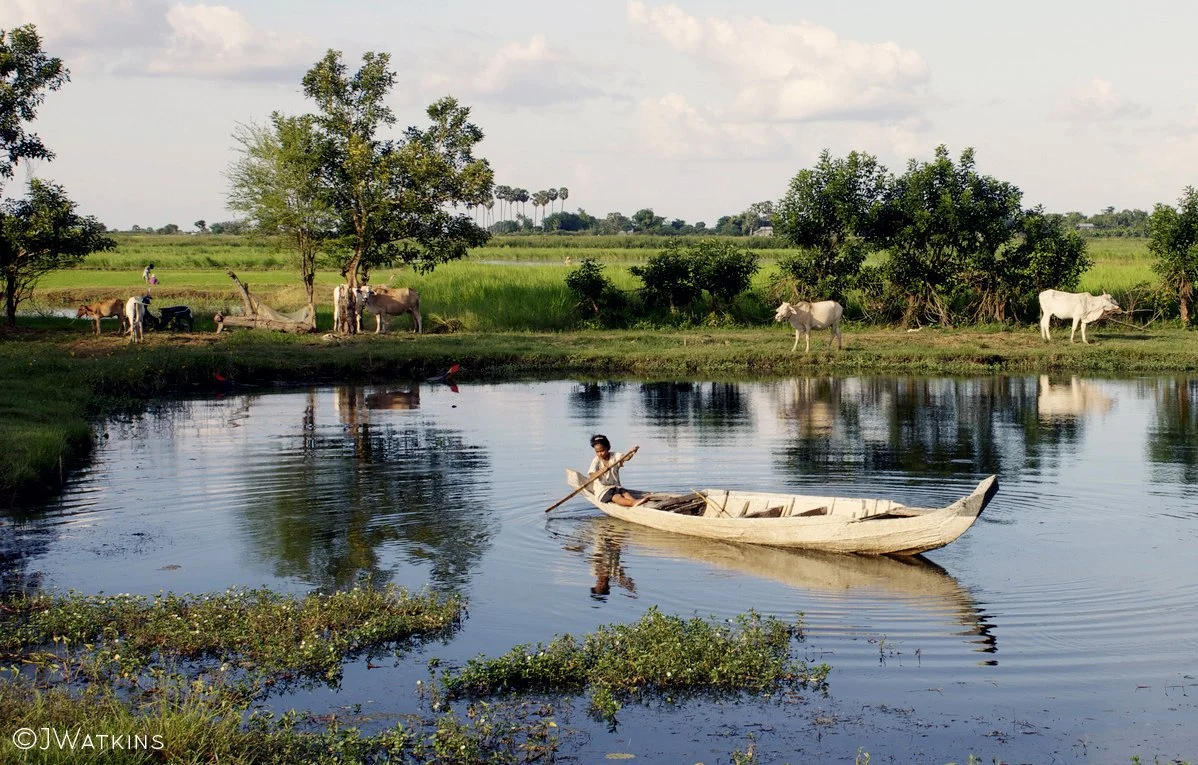
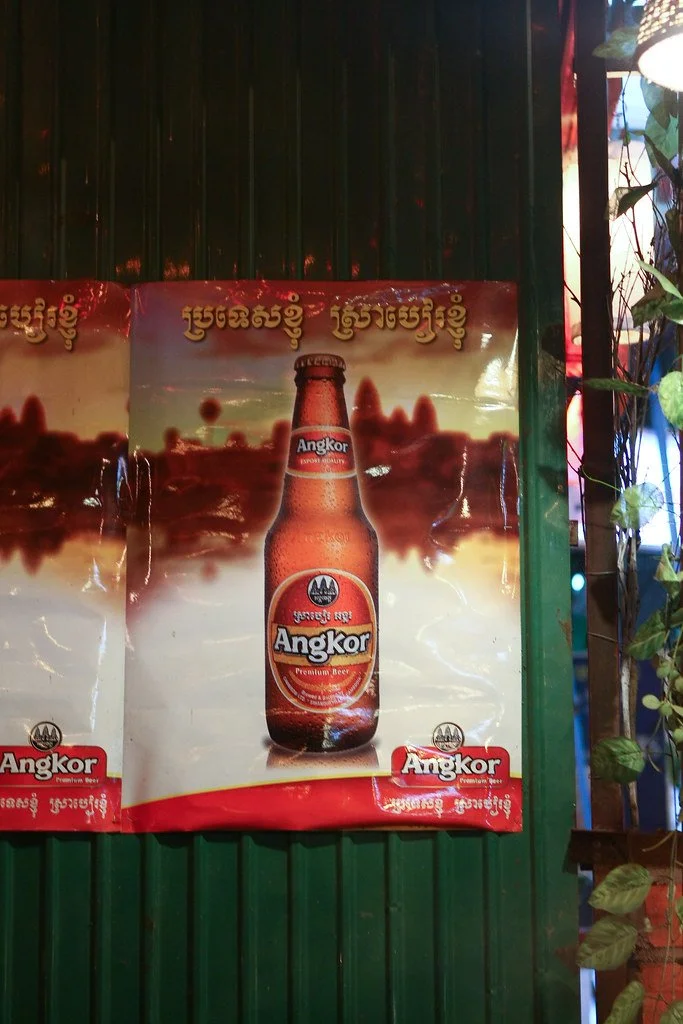
The serene city of Battambang, Cambodia, was fading quickly in the rear-view mirror of our $8 motorbike rental. My friend Janna and I took turns shouting directions — “Left! Right! Straight!” — as we barreled down a dirt road in pursuit of what we were certain would be the apex of Khmer charm. Somewhere ahead, I imagined, waited one of Cambodia’s signature shaded platform restaurants: hammocks strung above an idyllic lake, freshly caught fish in spiced coconut milk, and a cold Angkor beer dripping with condensation.
After several days documenting the country’s budding art revival, we had finally earned a day without bulky camera equipment. Cambodia rewards two qualities in travelers: a sense of humor and an appreciation for ingenuity. Still rebuilding after decades of upheaval, the country carries its history quietly. What you notice instead is resilience — and a near-universal friendliness.
Battambang, best known for the mesmerizing Phare Ponleu Selpak circus and the delightfully inventive Bamboo Railroad, is Cambodia’s second-largest city. Yet its sleepy rhythm makes it feel intimate. That morning we had learned to cook several favorite local dishes at Nary’s Cooking School and eaten far beyond capacity. Restless and overfed, we were eager to explore.
“Straight!” Janna called as I steered through an intersection just outside town. Then: “No — wait! Baby crocodiles!”
We had just zoomed past a handwritten sign advertising the irresistible opportunity to hold a baby crocodile for $2.
A quick U-turn delivered us down a red dirt alley guarded by a tumble of tiny puppies.
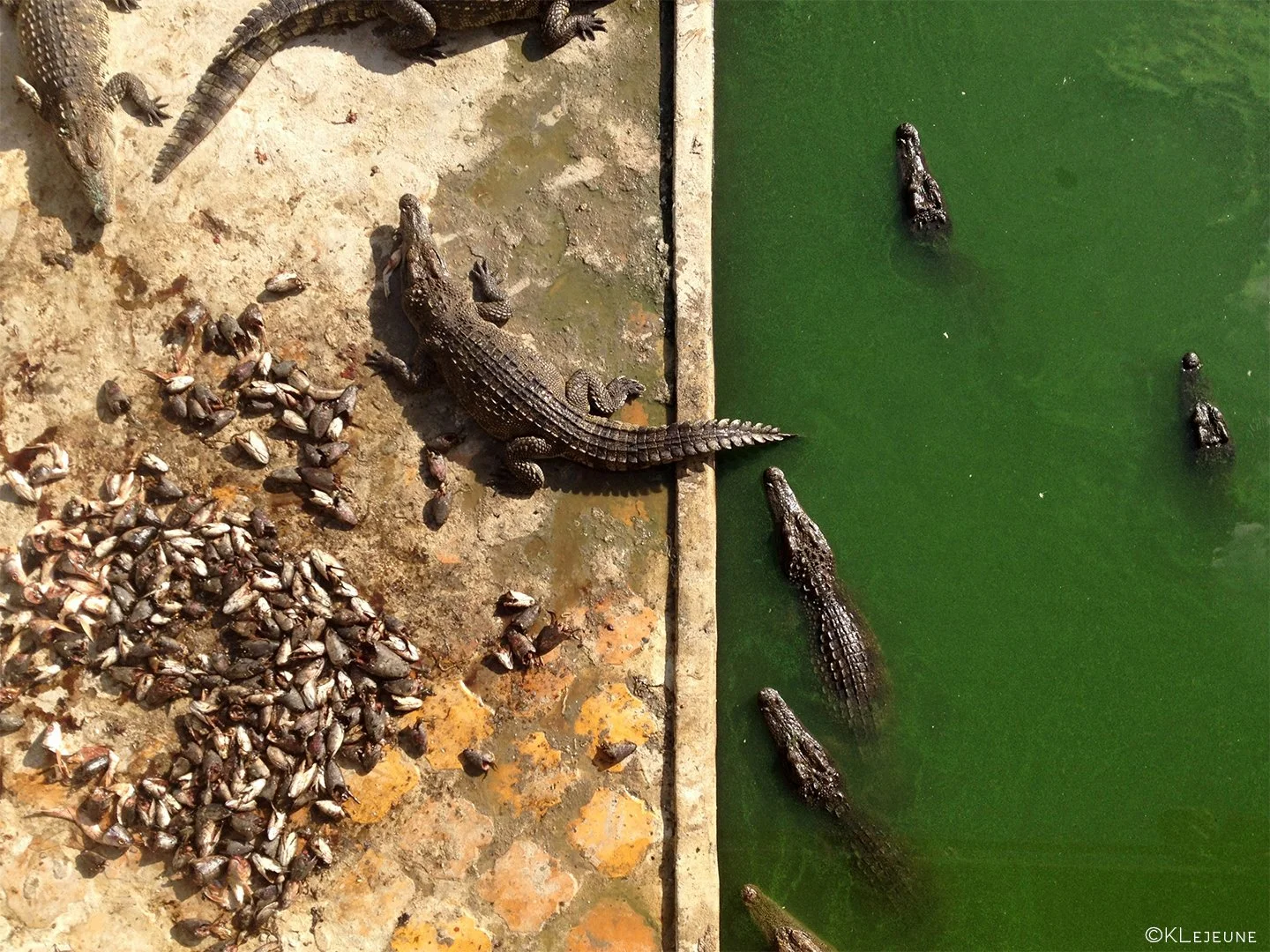
A friendly, unhurried woman led us up a steel staircase overlooking large concrete pens filled with hundreds of crocodiles. With each tank, the reptiles grew smaller until she reached in and lifted out a palm-sized specimen, apparently roused from a nap. Beneath its smooth scales were unmistakably powerful muscles.
“It can bite your finger off,” she said, smiling.
I handed it back.
Nearby, the full-grown crocodiles lay heaped in armored stillness, prehistoric and immense.
When our guide prodded them with a long stick, chaos erupted — bodies scrambling over one another to reach the pool, jaws snapping, water churning. In another pen, two crocs contended over decaying snakes. It was less pastoral idyll, more Jurassic realism.
Time, perhaps, to continue the search.
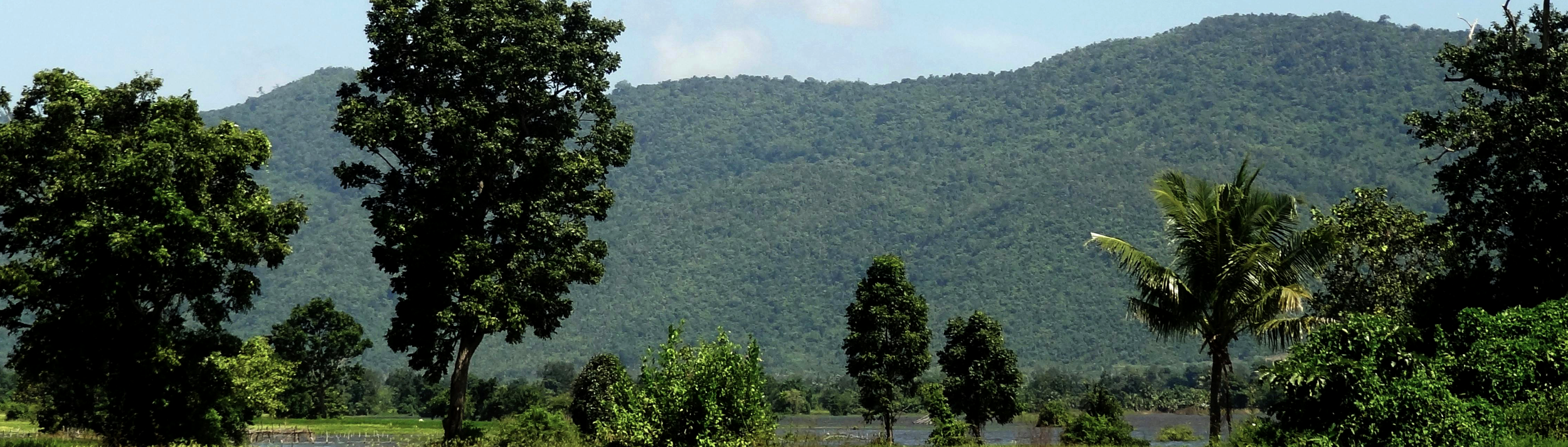
We rode farther into the countryside, markets and hotels dissolving into homes selling goods from their yards, then into rice paddies reflecting a white-hot sky. It was magnificent. After a while, I caught Janna’s eye and gave the universal signal for beer. She nodded enthusiastically — but the once-ubiquitous red Angkor signs had vanished.
Deeper and deeper into the country we drove, with buildings becoming further and further apart. Eventually, we spotted a small red placard outside an unkempt shack. Not the lakeside haven of my imagination, but we were getting desperate. I parked and called into the dim interior.
A mostly naked man emerged, slowly tying on a dirty sarong. We pointed to the sign and mimed drinking.
“Two Angkor beers, please,” I offered in Khmer — one of the few phrases I knew beyond “hello” and “thank you.”
“No Angkor,” he grumbled, rummaging through a battered cooler before producing two lukewarm cans of a brand we would never encounter again. He disappeared, leaving us standing outside.
And there we stood in the punishing sun, sipping already warming beer as sweat streamed down our backs and visions of paradise wilted.
Then came a call from across the road. Several women standing in the shade of a wooden house beckoned us over.
An elderly woman rose slowly and claimed a newly vacated seat. Only after a brief, silent choreography of rearranged chairs did I realize they were making room for us. We protested politely and were gently ushered down onto a bench. The shade was at least twenty degrees cooler. Life returned immediately.
At first, I felt cautious — aware we had just purchased beer from a neighbor who might well be a competitor. But as minutes passed, it became clear we were there for one reason only: hospitality. No transaction. No agenda. Just shade offered to strangers in the heat.
Language failed us, but smiles bridged the gap.
Soon a school-aged boy was nudged forward. After a conspiratorial murmur and a gentle poke from one of the women, he began a careful, rehearsed speech:
“Hel-lo. How… are… you?”
The women held their breath.
“I’m well, thank you. How are you?” I replied.
“Fine, thank you,” he answered, astonished that his script had worked.
The women exhaled in delighted laughter. This, clearly, was the extent of his English — but pride radiated from the porch.
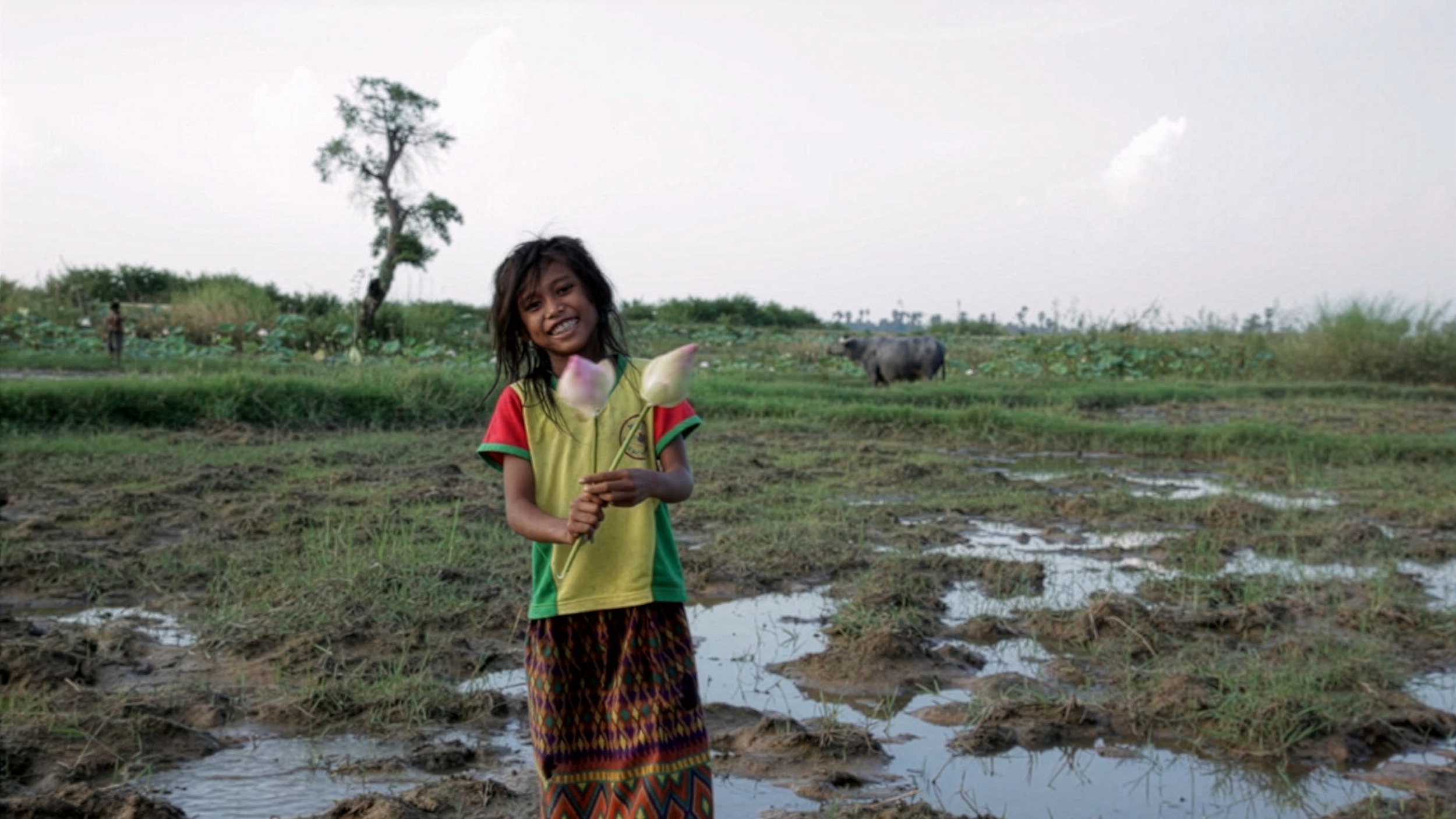
When we finally rose to leave, the group — which had quietly grown without my noticing — stood and waved us off.
I had found my diamond in the rough. Not in a hammock above a picturesque lake, but in the cool shade of an unassuming wooden home. Not in a photographable scene, but in the uncomplicated generosity of strangers.
Sometimes charm isn’t at the end of the dirt road.
It’s sitting patiently in the shade, waiting to invite you in.