TRAVEL DIARY:
Old Walls, New Spirit in Mérida, Yucatan
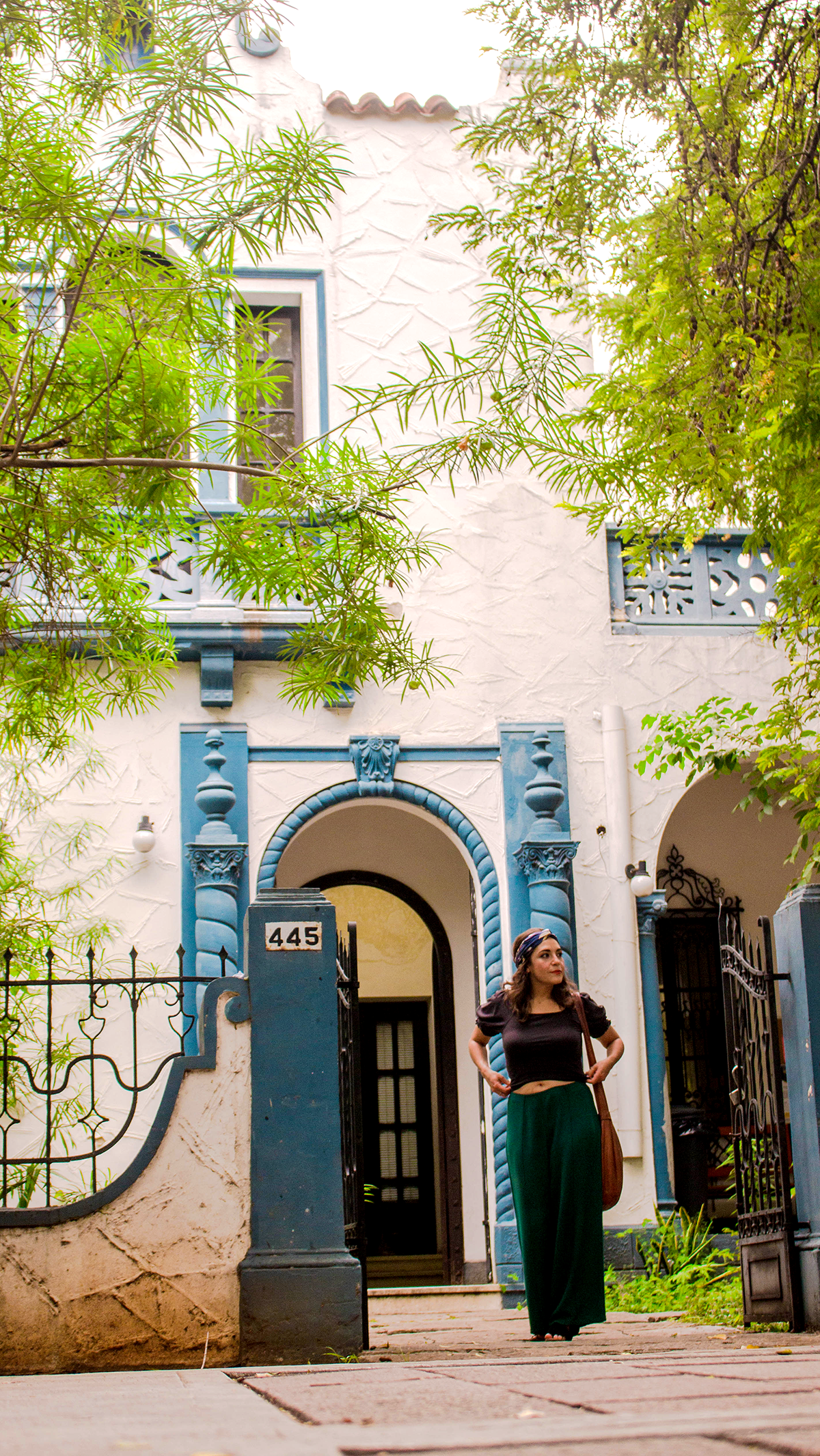
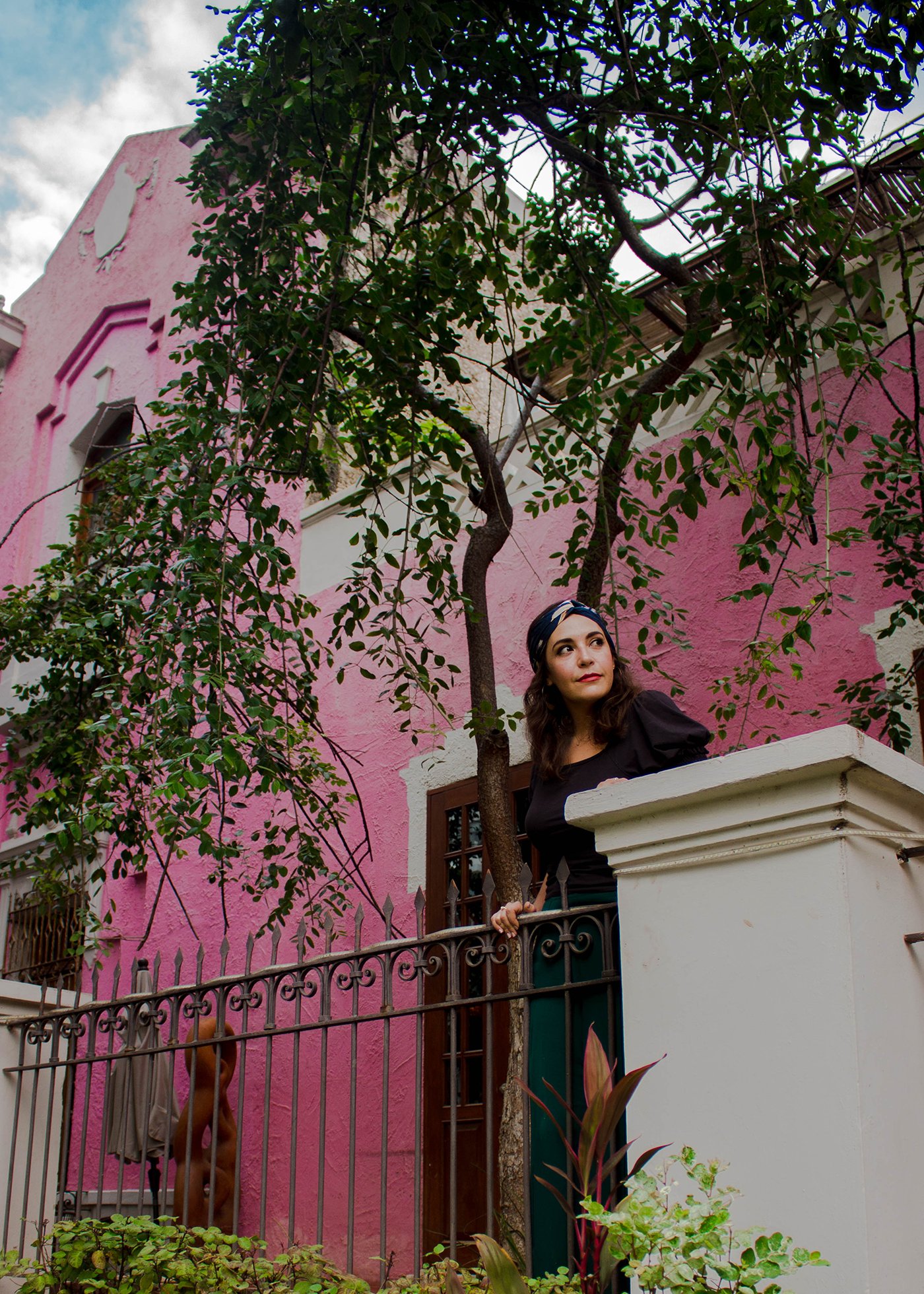
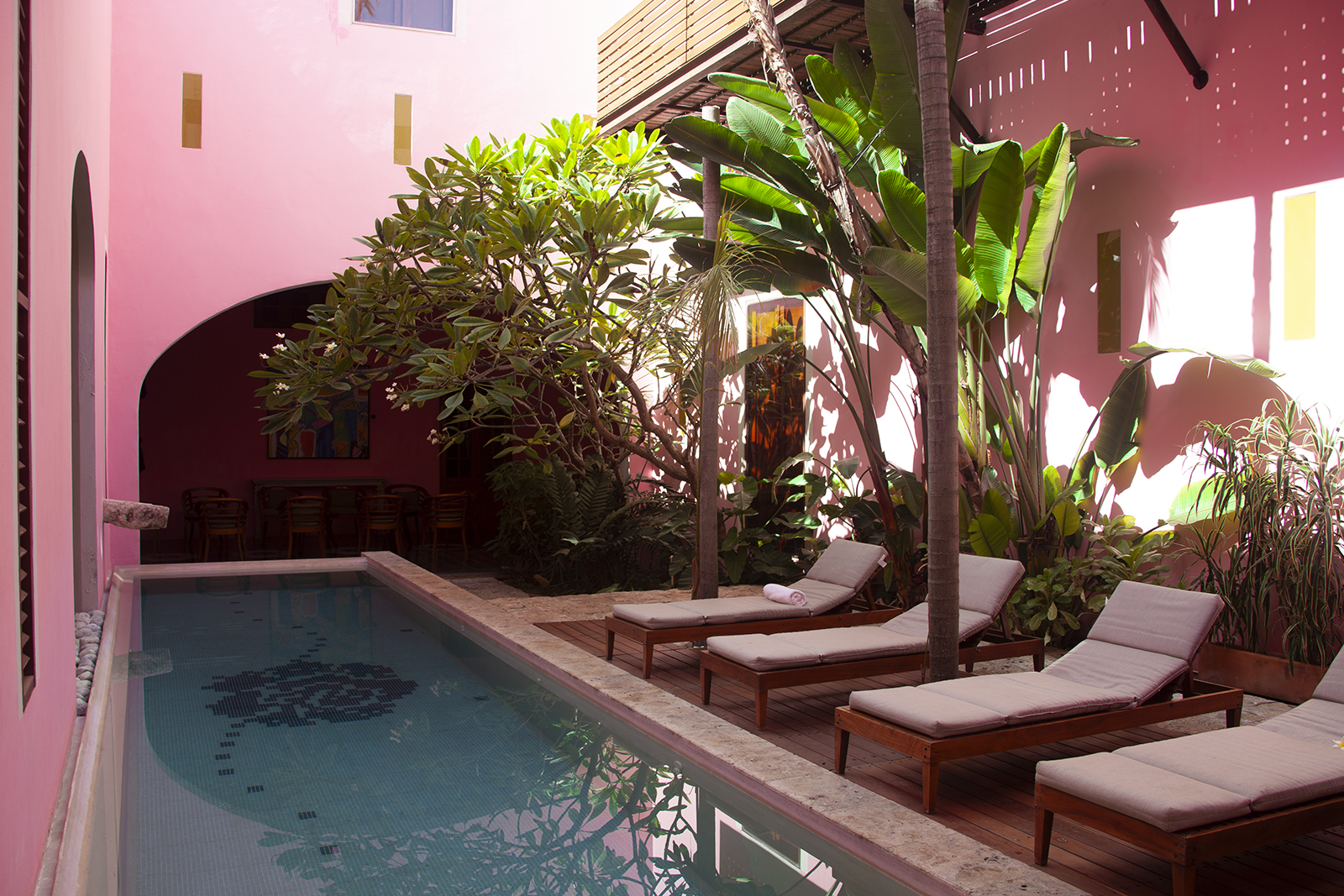
One such hotel is Rosas Y Xocolate, which just celebrated its 10th anniversary and has been at the forefront of the city’s recent artistic and economic resurgence. Owner Carol Kolozs Fischer’s vision transformed it into a stunning wonder that honors its history while establishing the contemporary spirit of Mérida’s future. Made up of two neighboring mansions once long abandoned, romance is in the very walls of this cheerfully pink hotel.
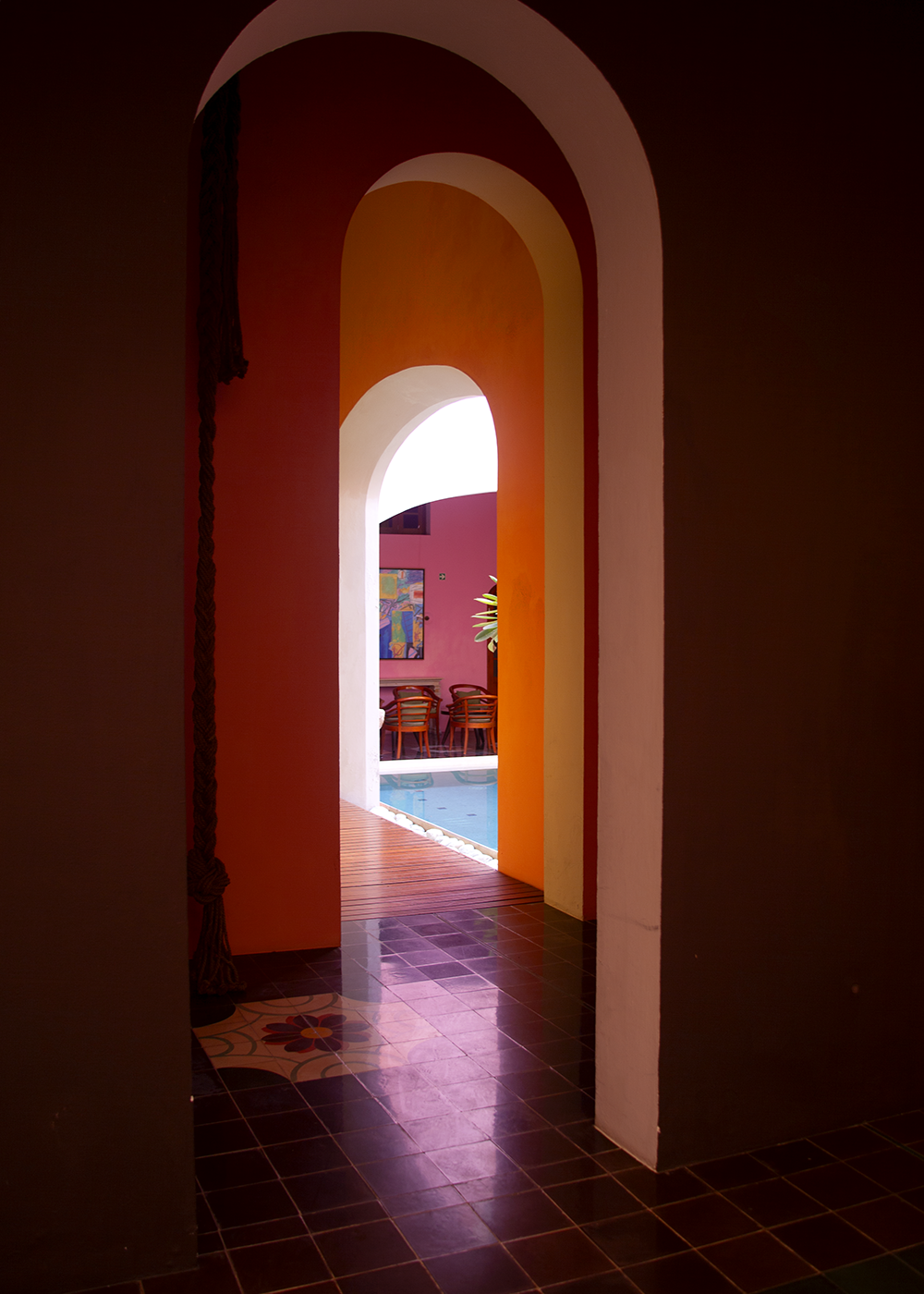
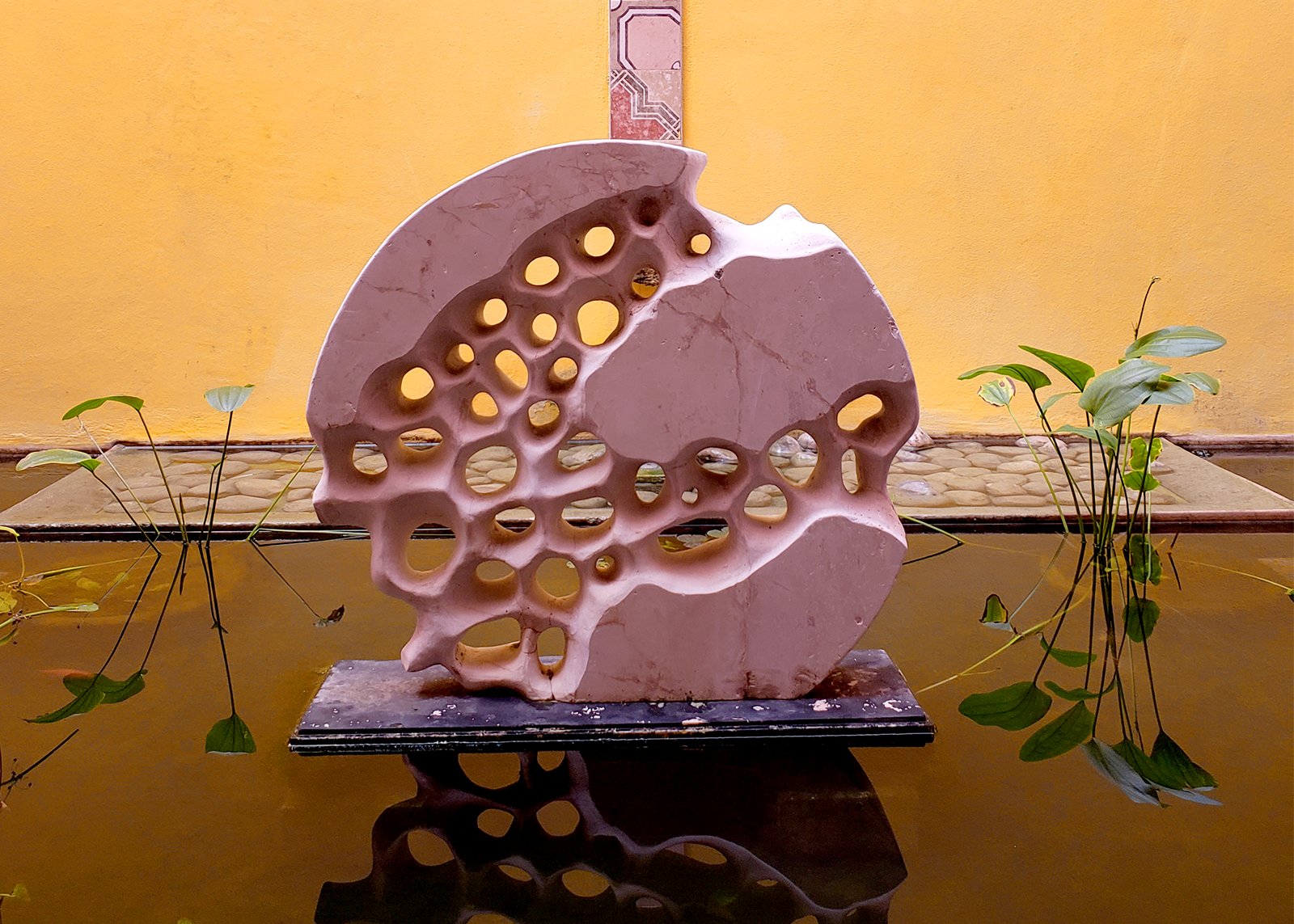
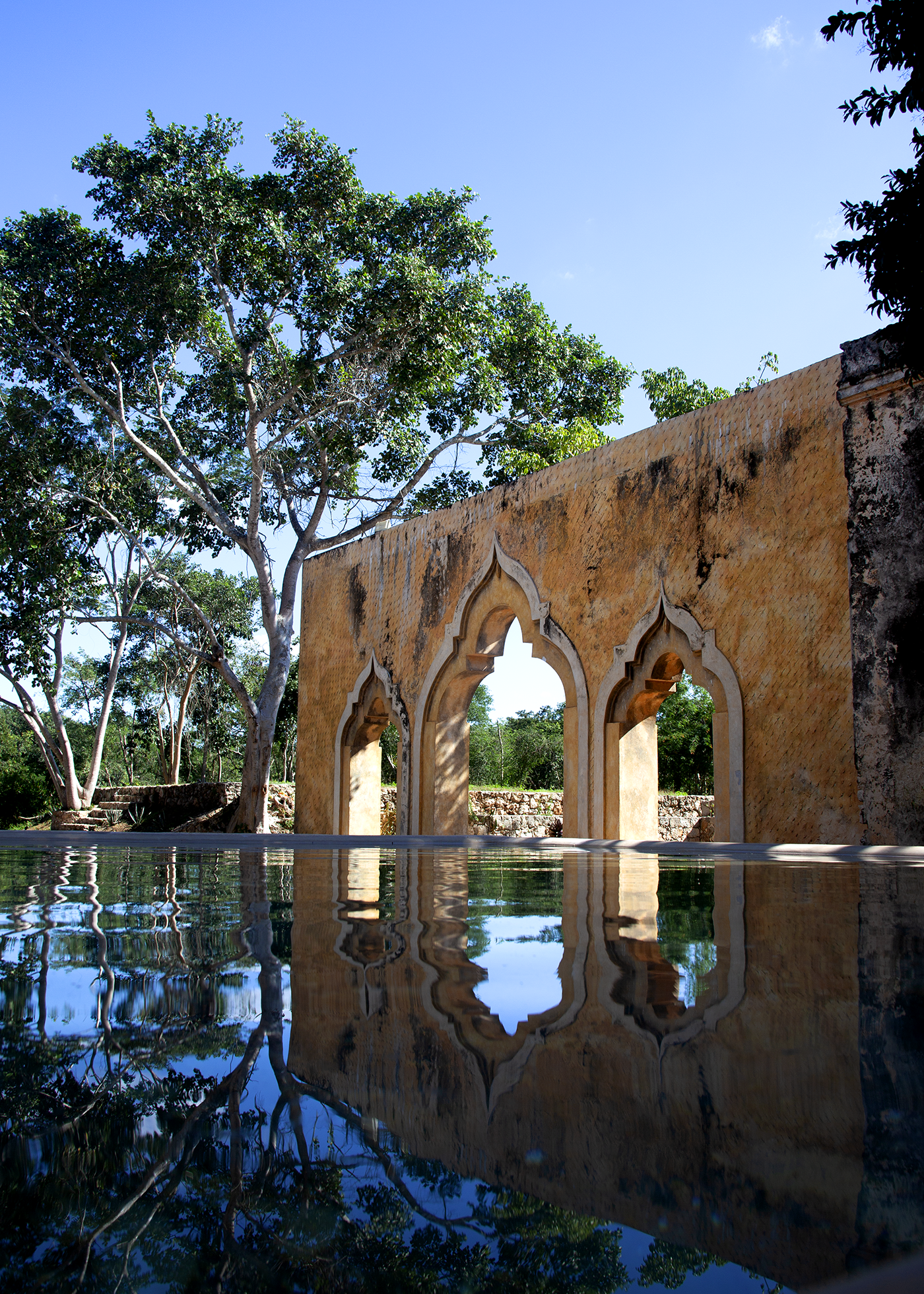
A strong relationship between inside and outside means that walking through the property, past water gardens, sculptures, and airy walkways, you’re never quite sure what the difference is. Oversized rope art installations are a modern nod to the henequen (sisal) fiber that created the wealth of the bygone era and bright paintings adorn the walls. In the rooms, wood doors open to a terrarium and tall windows reveal a private outdoor soaking tub.
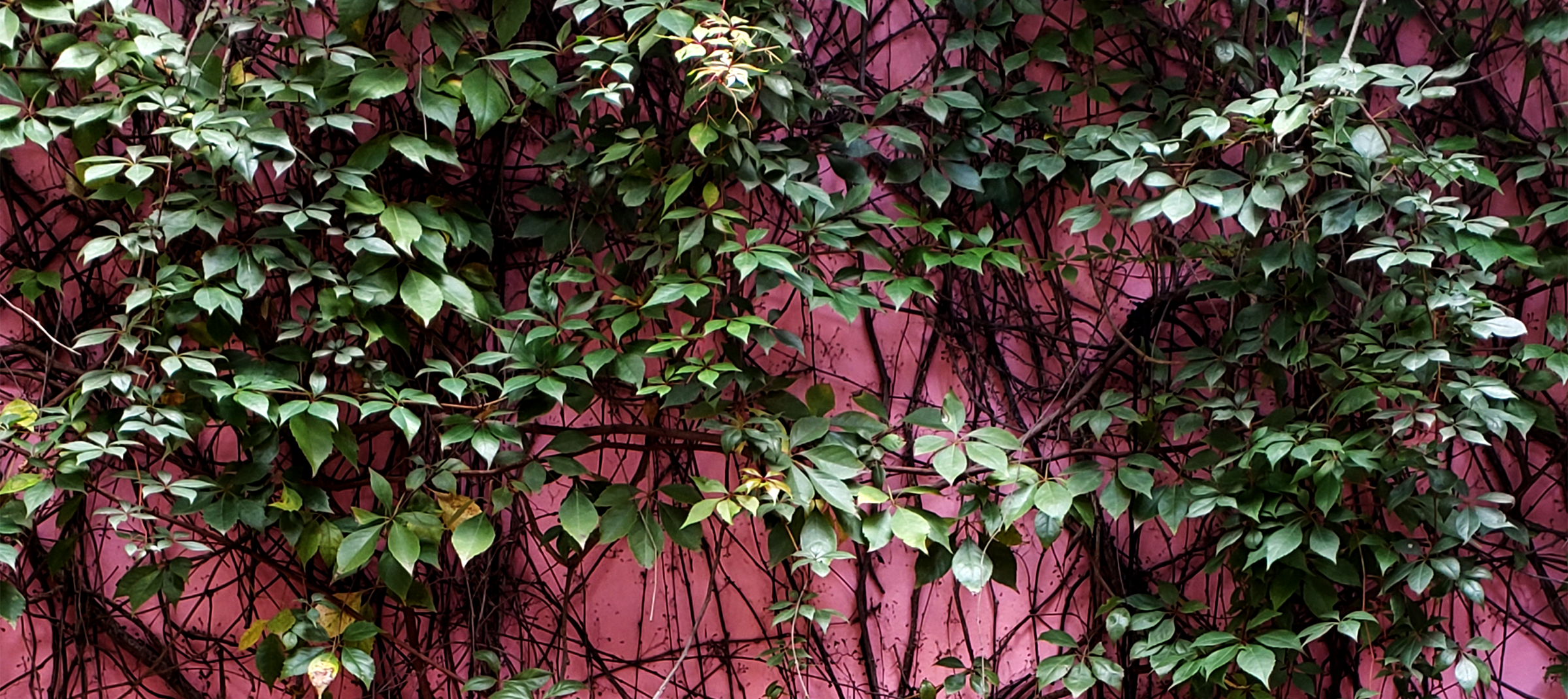
Their restaurant exudes elegance and whimsy, and has proven to be a popular location among residents for picture perfect proposals. The pink, vine covered walls of the outdoor terrace are bordered by lily filled water gardens and plenty of plants which keep the area cool throughout the day. There is nothing quite like breakfasting here as geckos crawl and the fountain burbles. A spiral staircase leads up to Moon Lounge, a weekend only rooftop bar with live music.
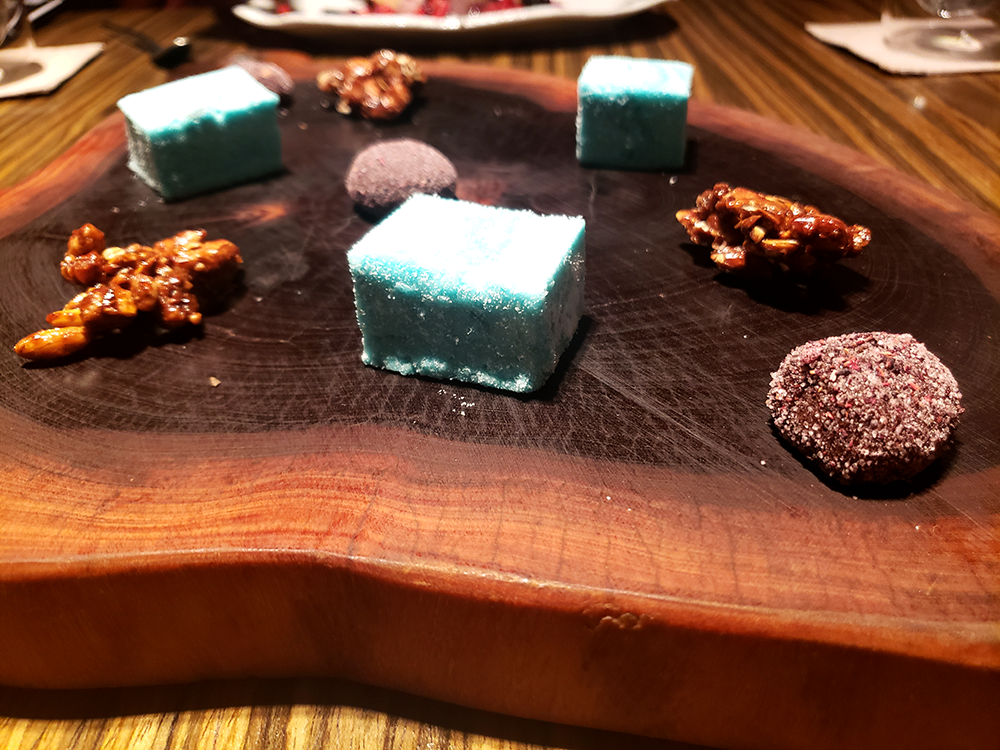
The siesta reigns supreme mid-day in Mérida and while most shops remain open, the city seems to slumber under a blanket of heat. If out and about, this is the perfect time to visit one of the many beautiful museums dedicated to the region’s rich cultural history. For a luxurious siesta, take advantage of Rosa & Xocolate’s excellent spa where soothing hands and organic 100% cacao is used in ancient methods of ultimate relaxation. After a treatment, a collection of teas are offered along with traditional rich dark Maya chocolate poured over almonds. The entire spa can even be rented out for private dining and exclusive use of the rooftop jacuzzi, making for a truly romantic experience.
On Sunday mornings in Mérida, the buoyant voices of the San Ignacio Cathedral’s choir ring out an antique melody.
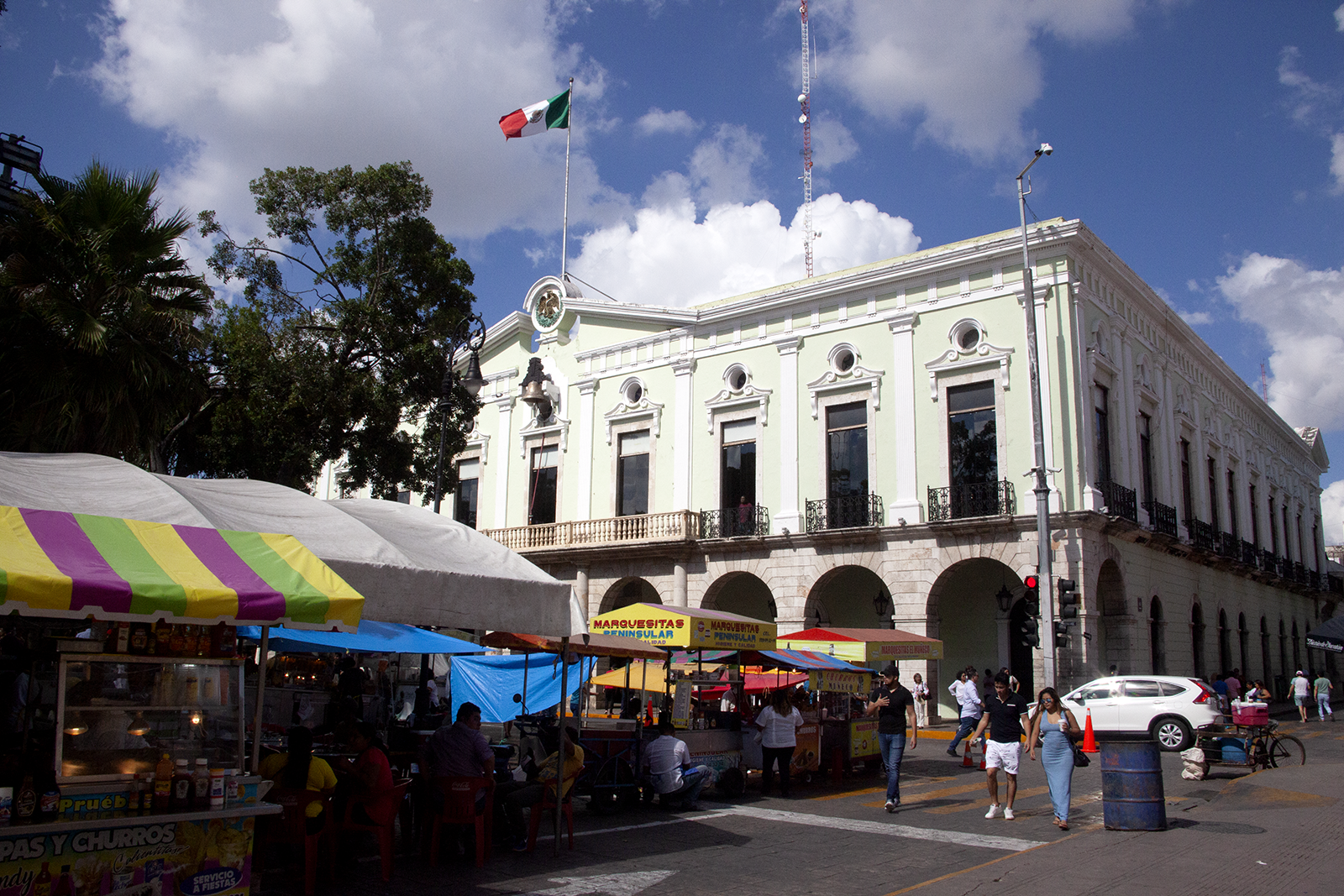
Boosted by 16th century acoustics, the haunting sound pierces the murmur of the crowd brunching leisurely in the courtyard below, ricochets down colorful, narrow, side streets where vendors ply their wares, and can be heard across Plaza Grande above the anticipative buzz of crowds waiting between performances of local bands. Paseo Montejo is shut down to car traffic on those mornings and bicyclists take over, gliding down the broad thoroughfare of stately colonial mansions. The heart of Mexico’s Yucatan peninsula gracefully balances its history of strong Maya tradition, colonial expansion, and modern sensibility while warmly welcoming all who visit.
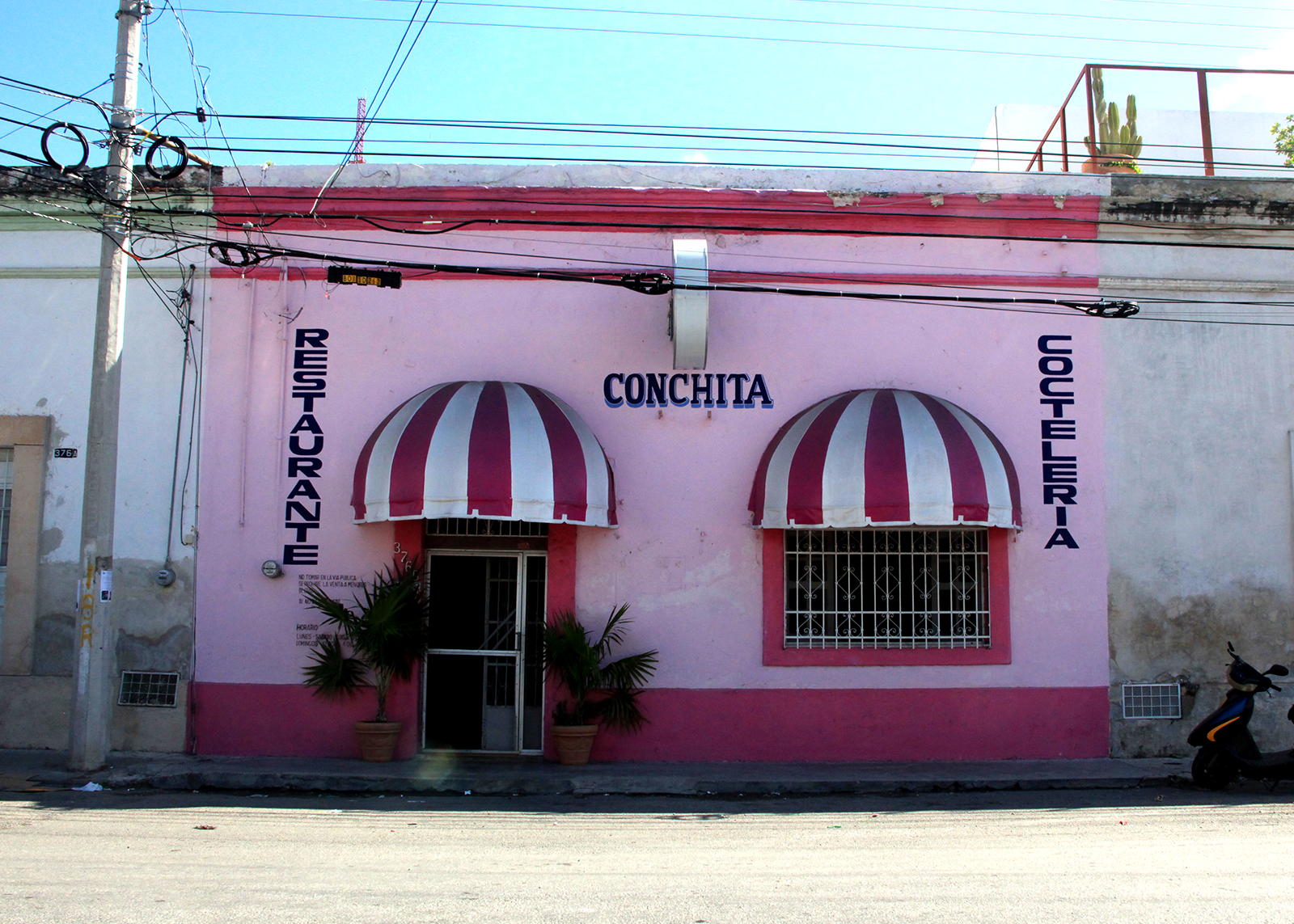
Mérida is a city meant for strolling, and it is wise to follow the lead of locals who rise early each morning to enjoy the days’s offerings before the heat exerts its heavy influence. It is nearly impossible to get lost while exploring as the streets are laid out in an orderly evens and odds grid, and being one of the safest cities in Mexico means that even if one does become disoriented, someone will point the way home with a smile. It is well worth going on foot, for around each corner may be a charming cafe, colorfully photogenic house, art gallery, or the cool shade of Ibérica Cimi Cemus Park, a music conservatory set in peaceful grounds.
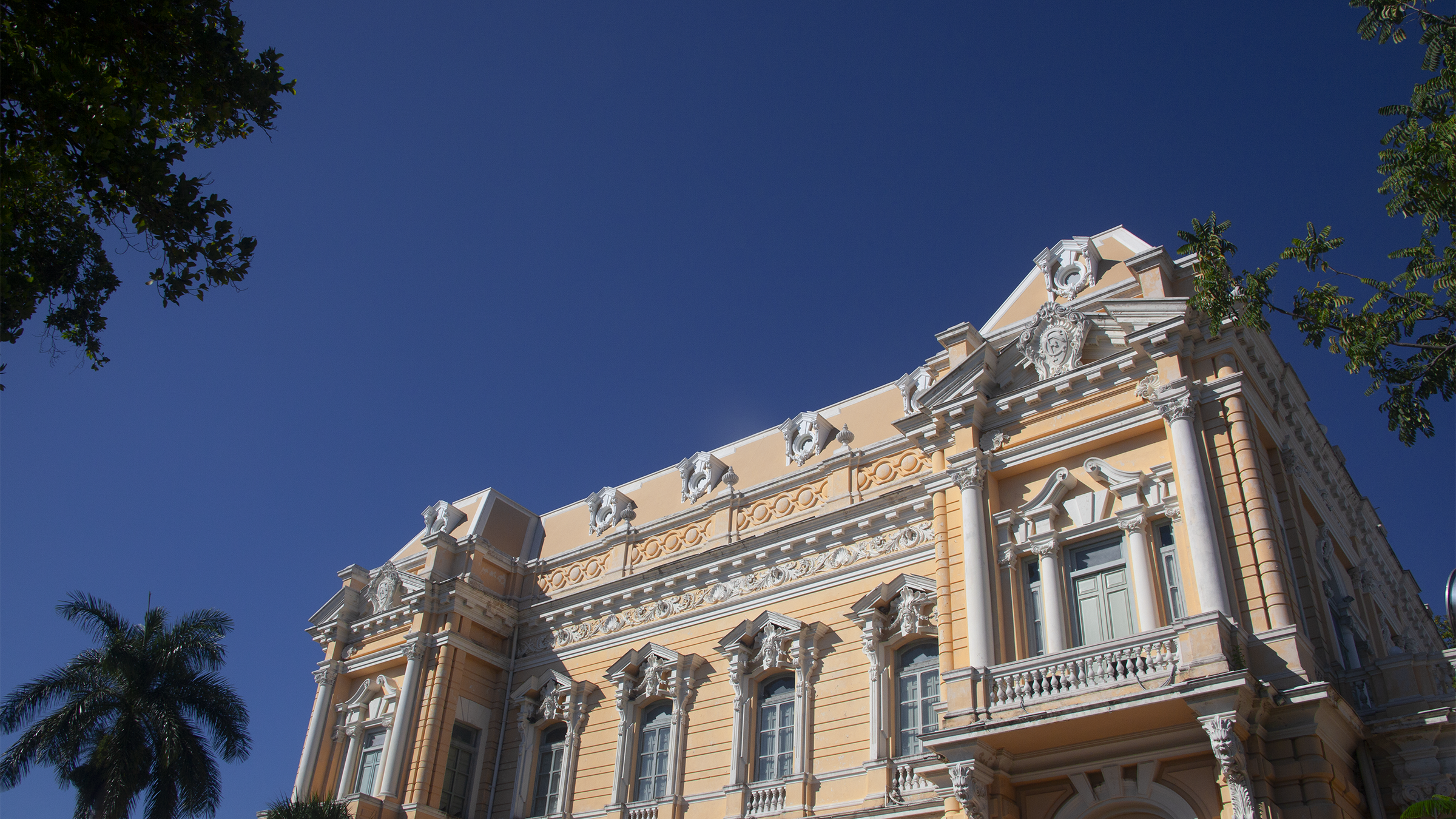
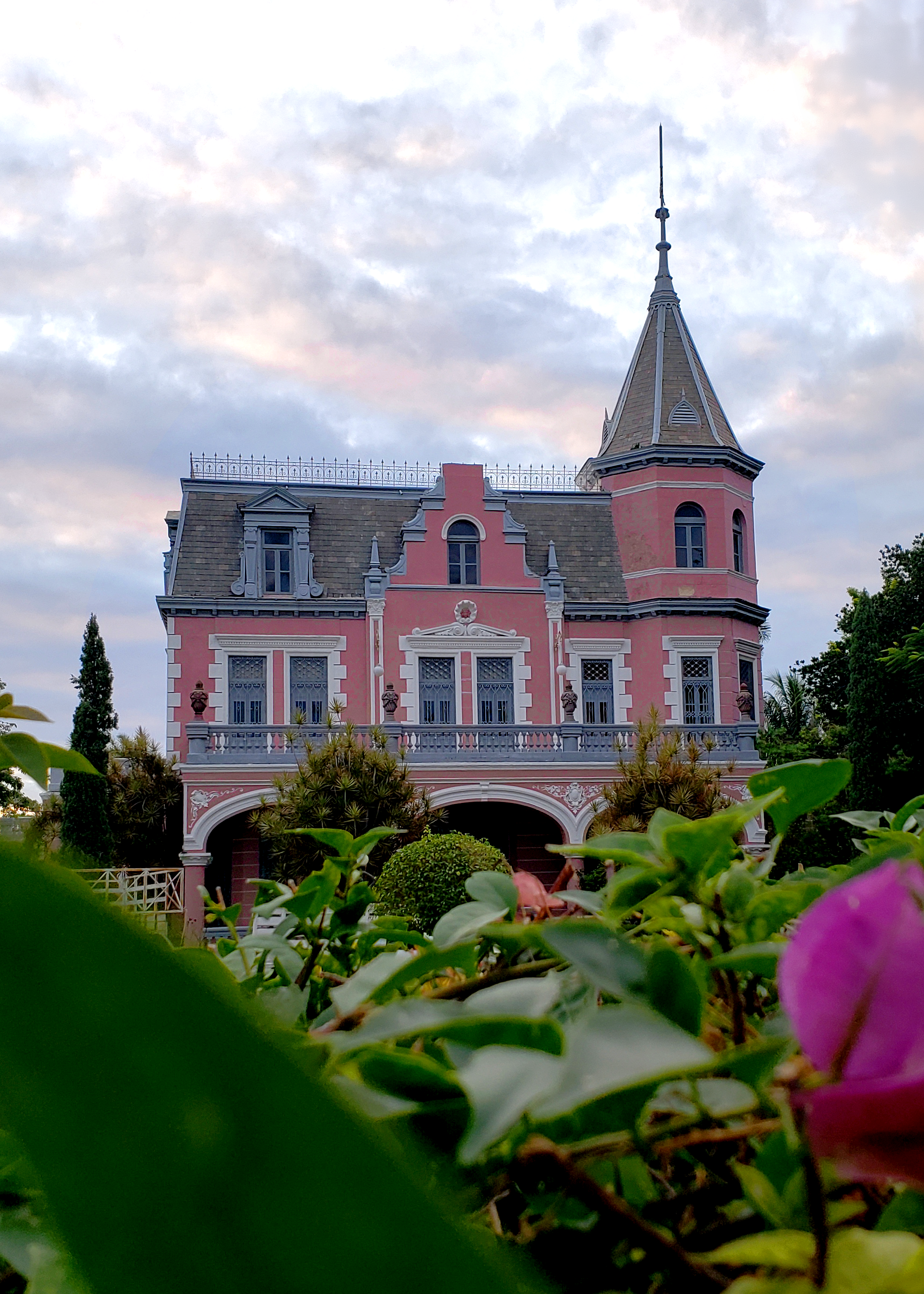
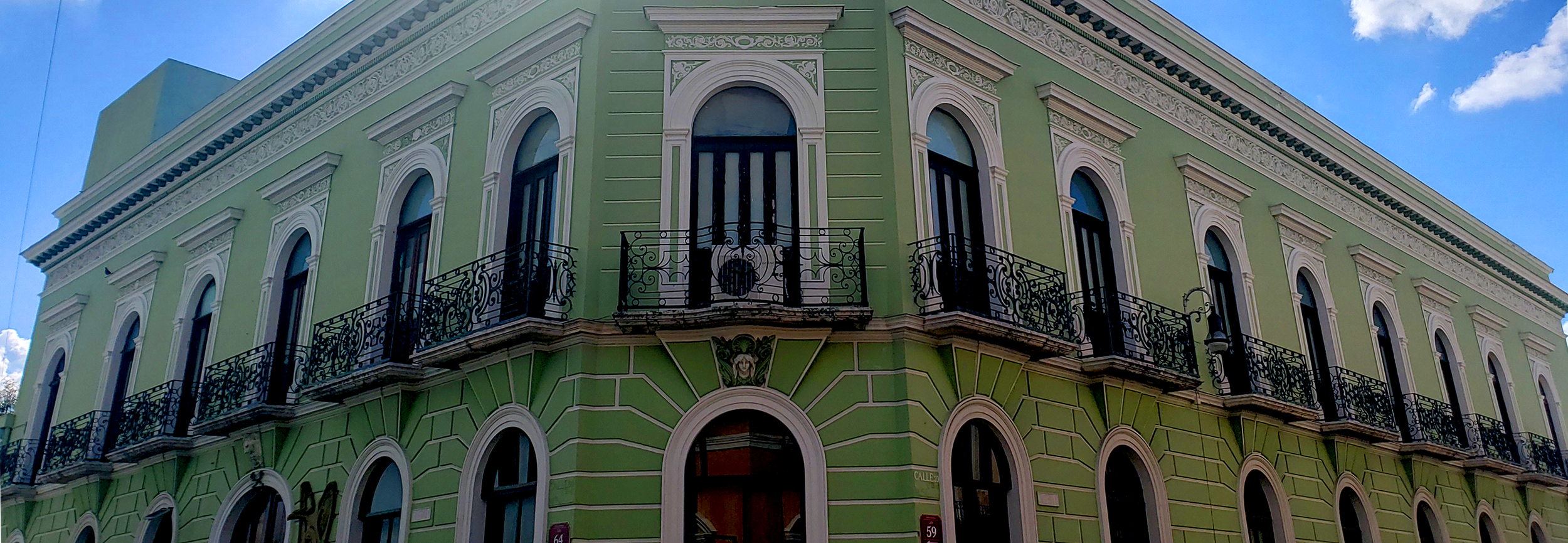
Paseo Montejo is lined with pastel colored mansions built during the turn of the 20th century when plantations pumped wealth into the community. Now, many have been restored and repurposed as museums, schools, or hotels. Others are abandoned and in disrepair, former beauty queens neglected in their old age, yet still beautiful.
As Mérida rests, there is plenty to do further afield. Just an hour and a half east, rising to heights above the jungle tree tops, the Maya temple complex of Chichen Itza will impress even jaded temple hoppers. Late afternoon is the best time to visit to see the setting sun bathe the millenia old limestone in golden light. To the north and west, the popular white sand beaches of Celestun and Progreso are home to large flocks of flamingos. In the south is the quieter but still imposing Maya ruin, Uxmal.
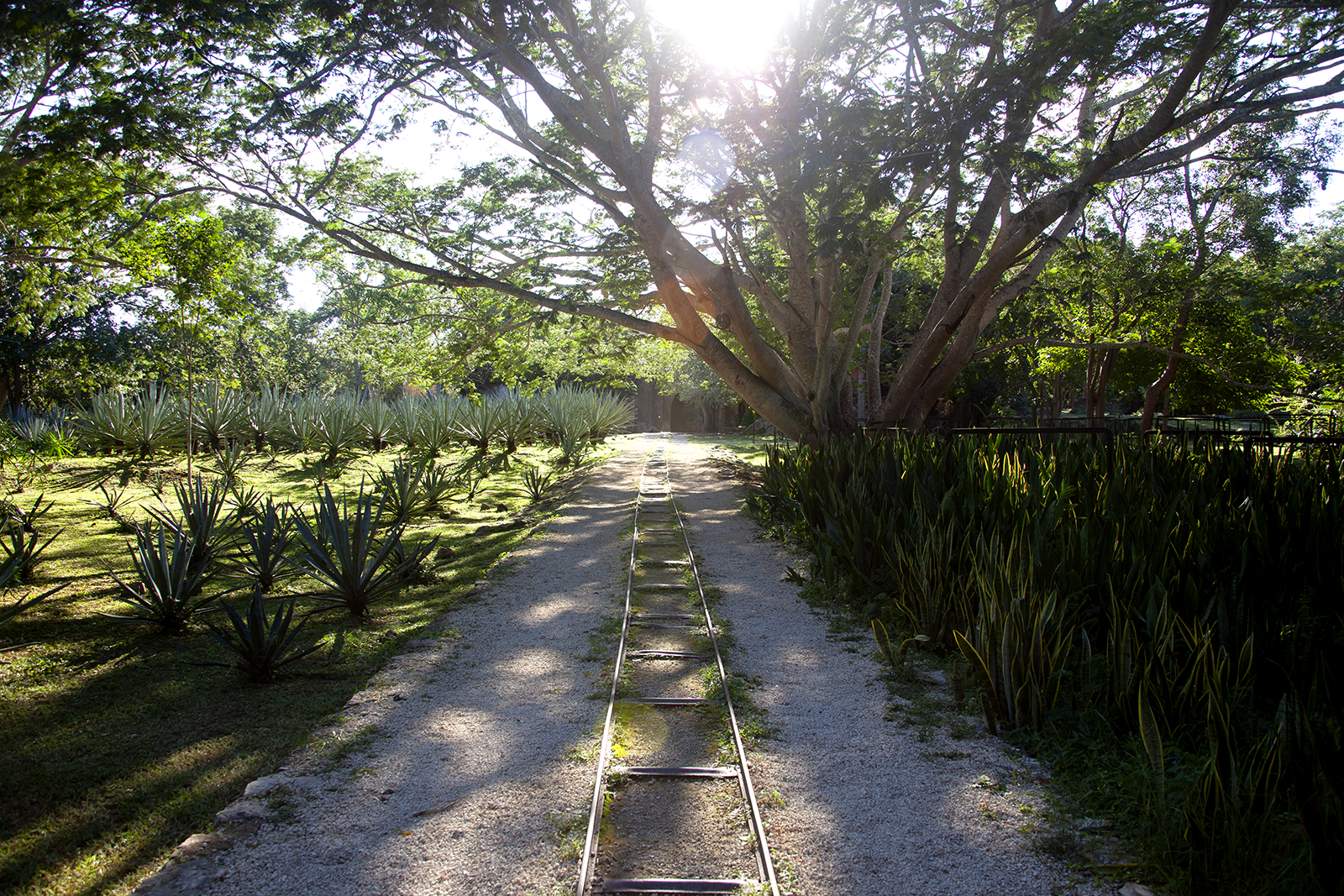
For more recent history is the grand Hacienda San Pedro Ochil, a well preserved example of the henequén plantations that made Mérida rich, now a cultural center and restaurant. A most pleasant lunch can be had here among the agave and palm trees before wandering to the cenote turned amphitheater where the likes of Phillip Glass have performed.
It wouldn’t be a proper visit to the Yucatan without a stop at a cenote, of which there are over 6,000 in the whole peninsula.
Essentially a sinkhole, they are small fresh water pools that go deep underground. Many have stalactites and bats, but the best are perfectly clear swimming holes with sun rays reflecting on turquoise water. One of the nearby favorites is actually a trio, called the Santa Barbaras. Or if visiting the delightful town of Valladolid, there are dozens of cenotes with vines that cascade from openings in the limestone creating a surreal, fairytale feeling.
Evening in Mérida feels completely different than the day. The air feels looser, more free, and the buildings of Paseo Montejo are lit up dramatically. As horse drawn carriages glide by, it is easy to imagine the fine galas that must have been held there long ago.
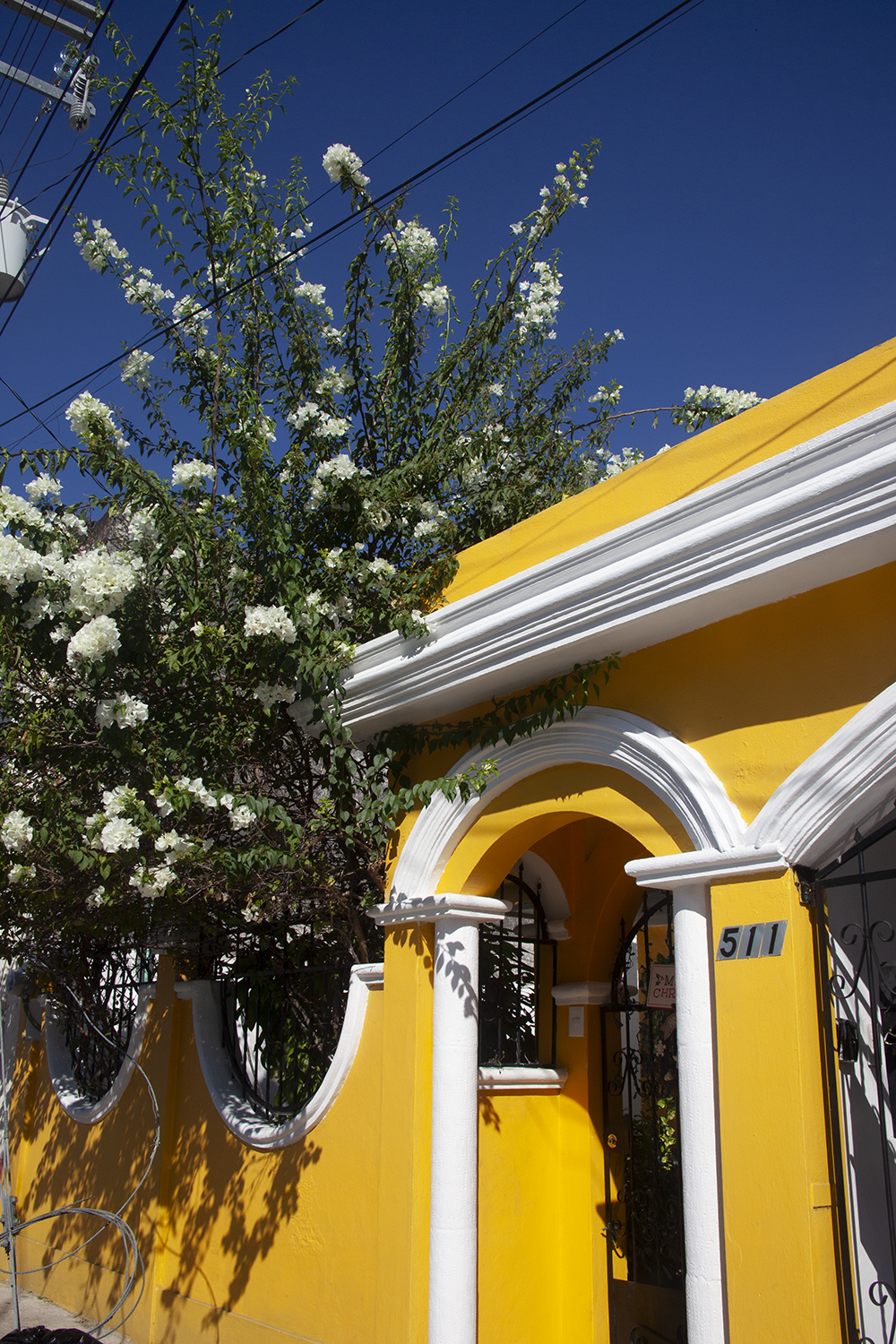
The image comes even easier walking up to the lemon yellow Tuscan style mansion now home to K’u’uk, a restaurant changing the scene of the peninsula’s fine dining expectations. The gastronomic experiments by Chef Pedro Evia in his laboratory have propelled K’u’uk to the highest of Yucatecan culinary experiences by taking old world ingredients and adapting them to the modern world with playful inventiveness. He and his business partner, Eduardo Rukos, reach deep into the past to craft a menu of delightful surprises such as freeze drying jalapenos or distilling clay pans to create sparkling water. Regardless of the outcome, they are committed to elevating not just your tastebuds, but their community as well.
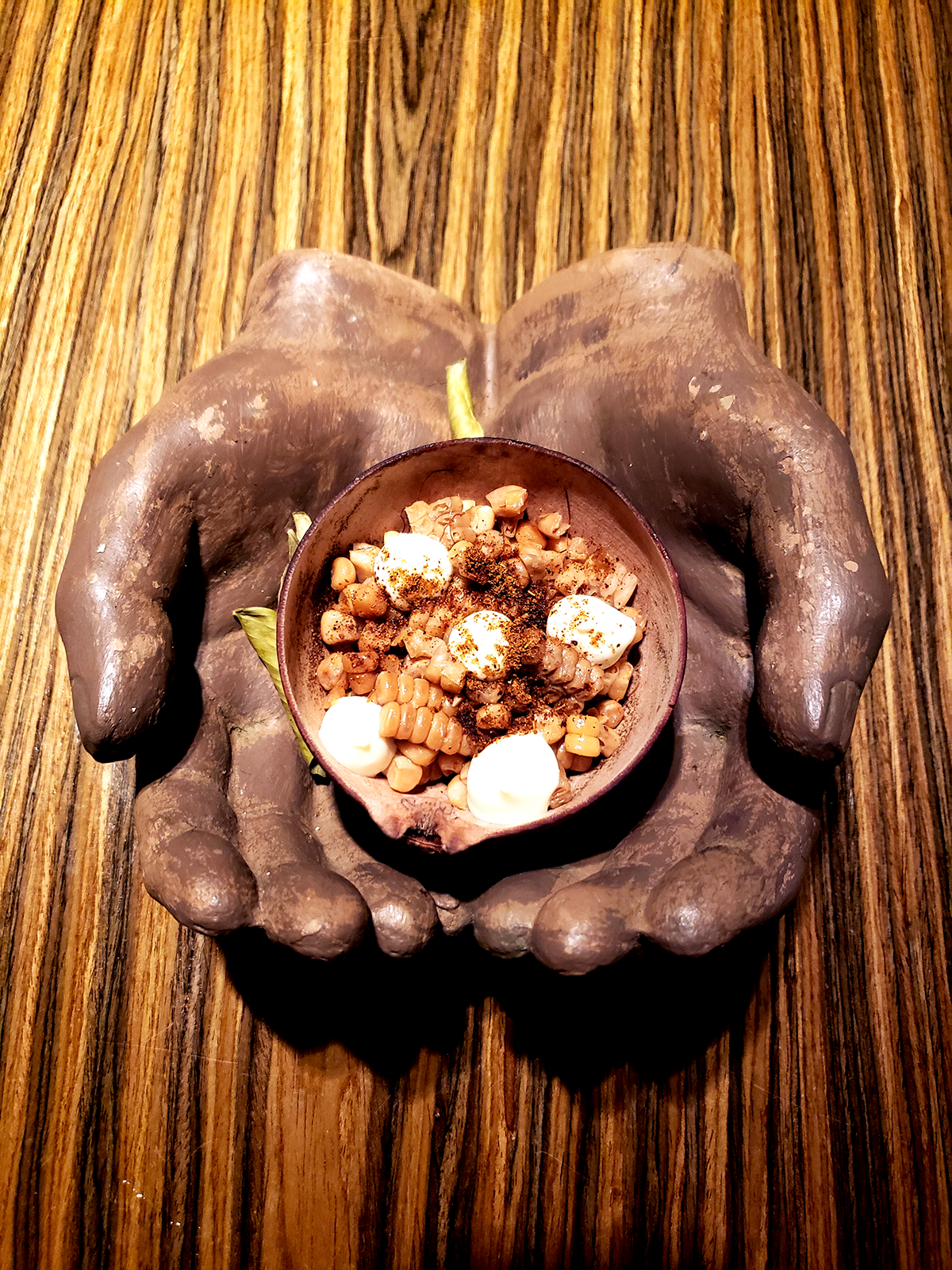
When dining at K’u’uk, the six course dégustation menu is the way to go and can be paired with wine or local juices. Everything reflects the region’s rich history, including the cultural contributions made by Korean, Dutch, Lebanese, French, and Cuban immigrants as seen in the opening course featuring ingredients of kimchi, keppe, and goat cheese. Each dish arrives in unique fashion; the pibinal corn esquite is in a wooden sculpture of cupped hands, the chilled avocado soup is poured at the table over the catch of the day, the sorbet refresher is in a persimmon. Even the cocktails are served with a special touch that elevates the moment. The satisfying flavors are something on the edge of memory, like visiting a new place and feeling at home.
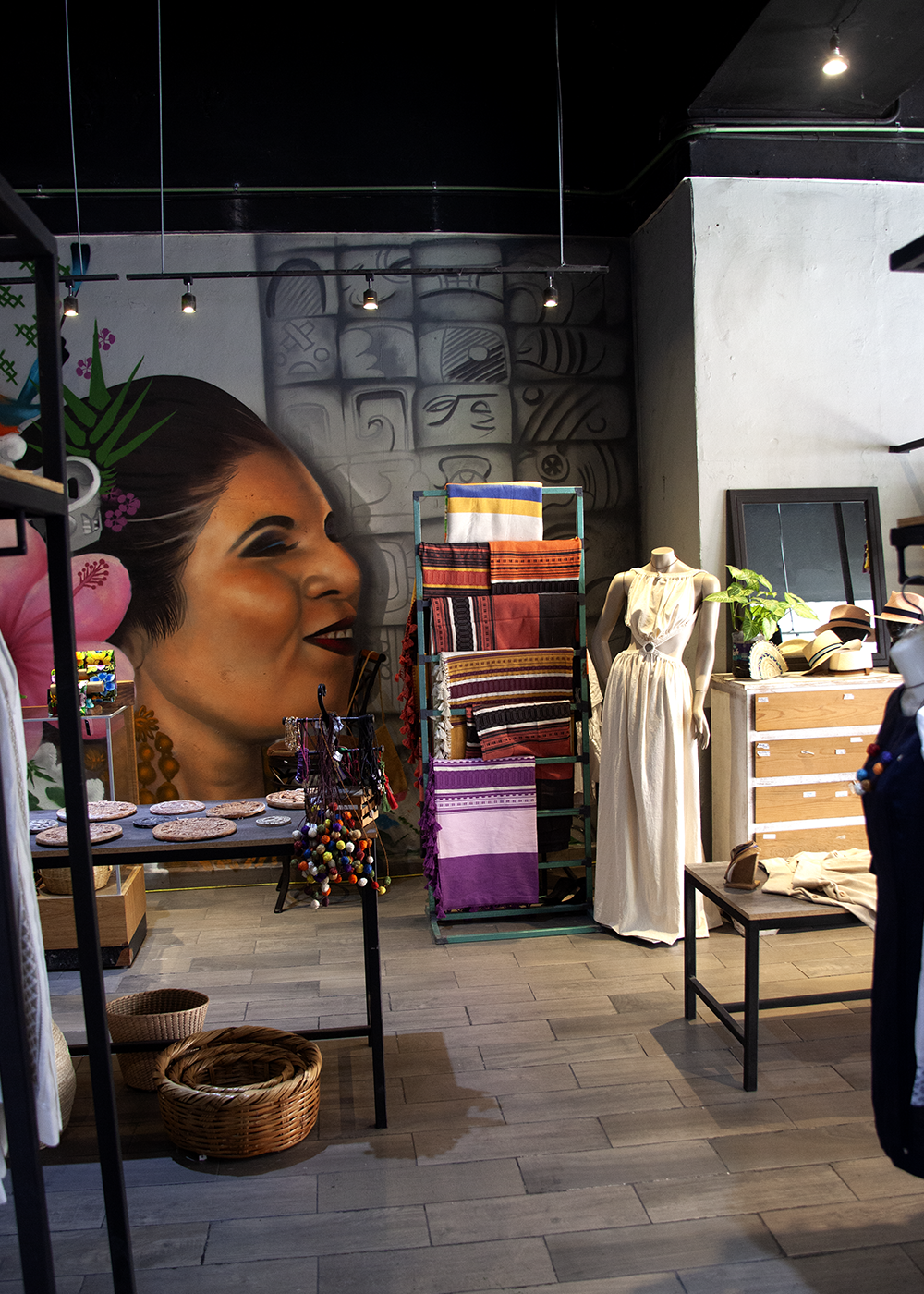
Once sunset arrives, the city stirs back to life with renewed energy. The many parks are full of families and trendy couples taking in the air, and it cools down enough to hop from shop to shop in search of treasures. The best shopping can be found along and between Calles 60 and 64, just north of Plaza Grande. Chic boutiques like Yucatekisimo and Kukul offer designer clothing and accessories.
If you are wondering how the local men are able to appear at ease in the heat of the day, the secret is their guayabera, finely woven dress shirts made that are well worth the investment. Women will appreciate the woven purses and soft linen and white cotton dresses. Though they are quick to say it is not a gift shop, Rosas Y Xocolate has a curated collection of luxury goods made by Yucatecan artisans. Higher end guayabera can be found here, along with gourmet chocolate and fine jewelry.
Art collectors must check out Artesanías Itzel, an old colonial building with a courtyard now filled with hammocks, textiles, painted sculptures, and pottery. However, ask about the semi-public gallery on the second floor for truly special offerings including exquisite jewelry and certified Maya replicas. Manuel, an expert on Maya culture, happily explained the symbolic meaning behind the use of jade, obsidian, amber and turquoise and relayed the myths depicted in each piece.
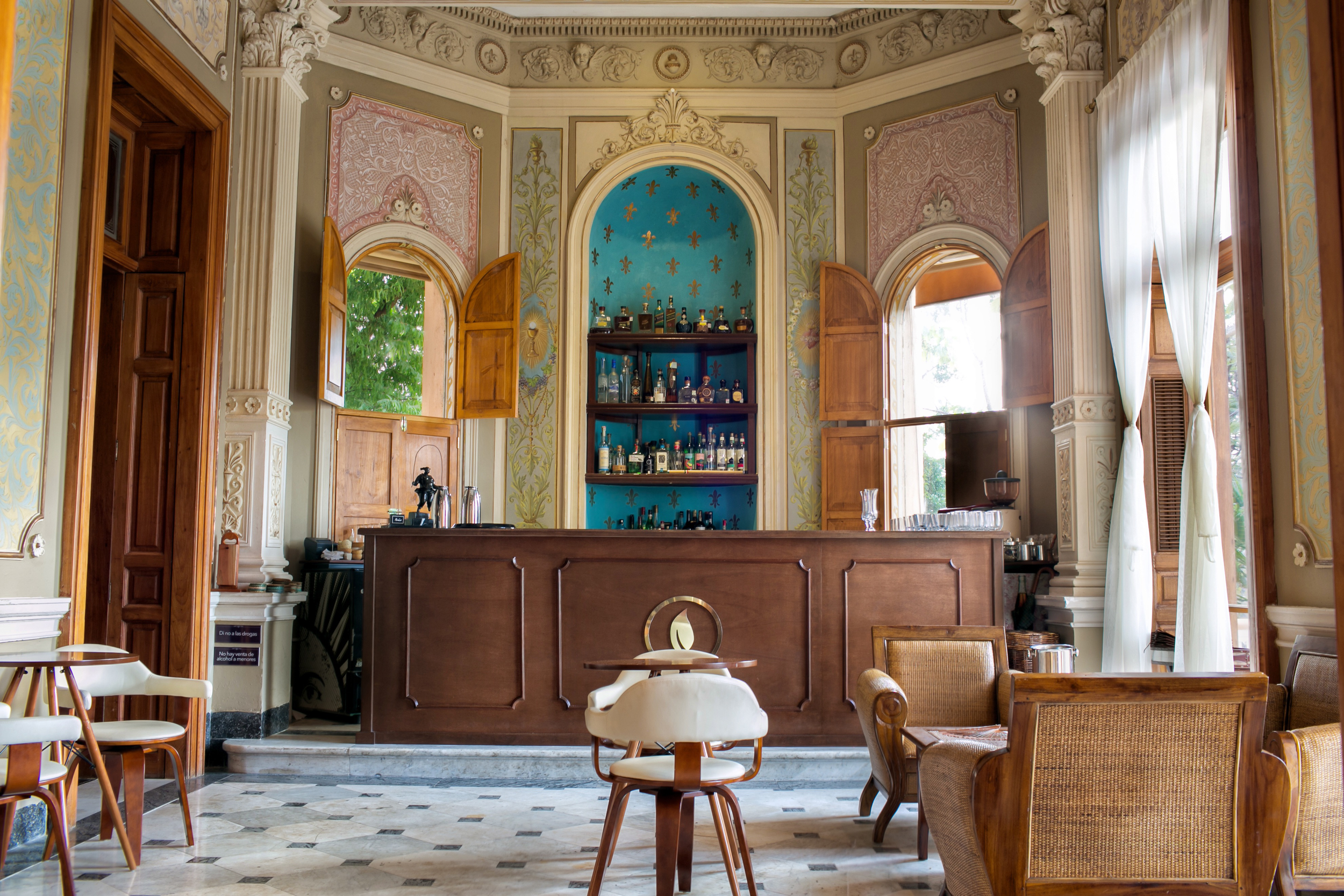
As night deepens, join the crowd yet again on their beloved walk down Paseo Montejo. Though the hour is late, the wide promenade is full of unhurried denizens walking off their dinners. Classical piano music twinkles from Rosa Y Xocolate’s dining room while indie pop bounces from Casa Chica bar as imbibers chatter on the patio. Cubaro is the perfect spot for people watching and late night drinks while carriages glide by to circle the brightly lit Monumento à la Patria. As some lights go out, others turn on to begin again the cycle of balance and ease in this genteel Yucatecan city of Mérida.