TRAVEL DIARY:
Feasting in Valle de Guadalupe, Mexico
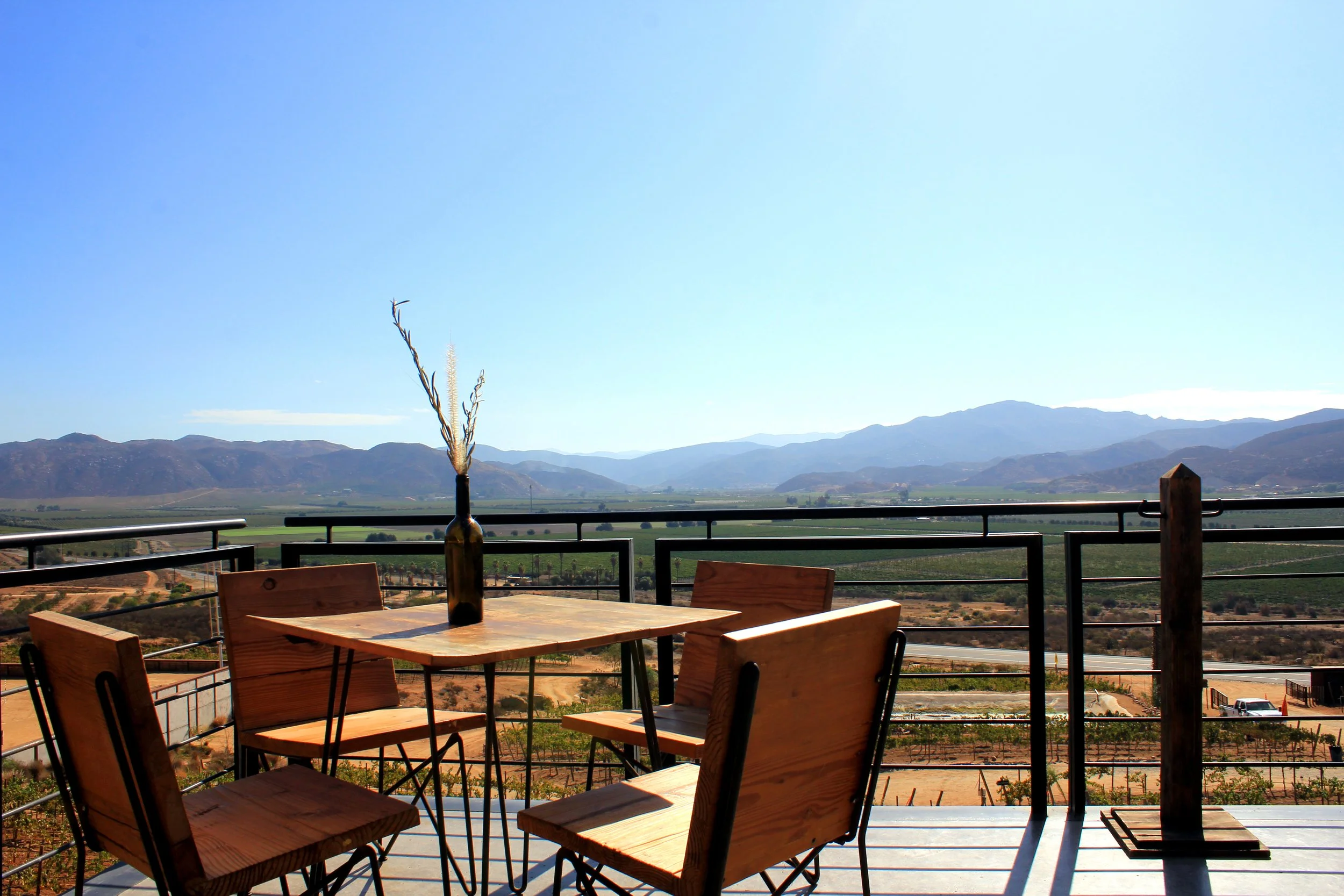
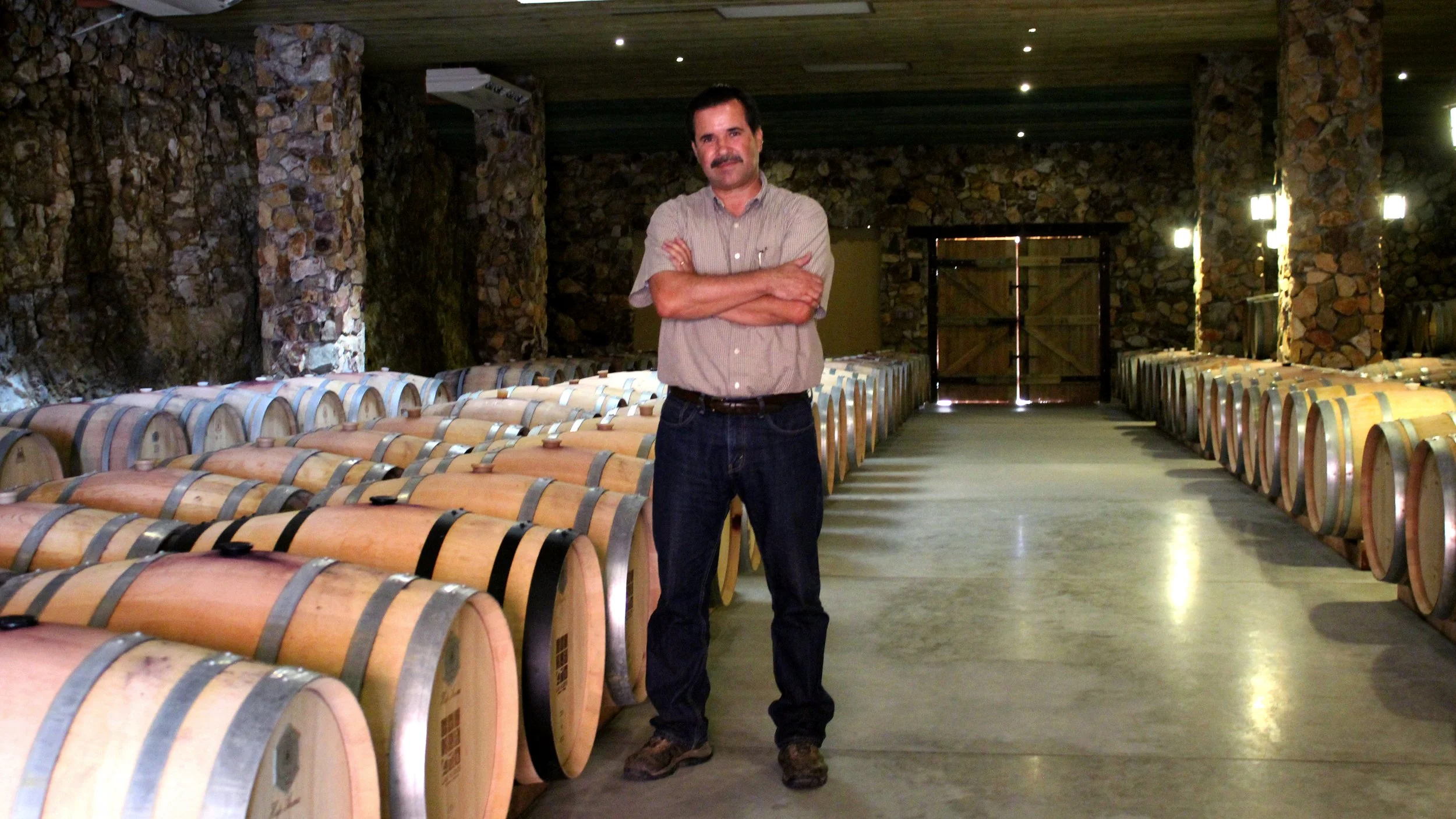
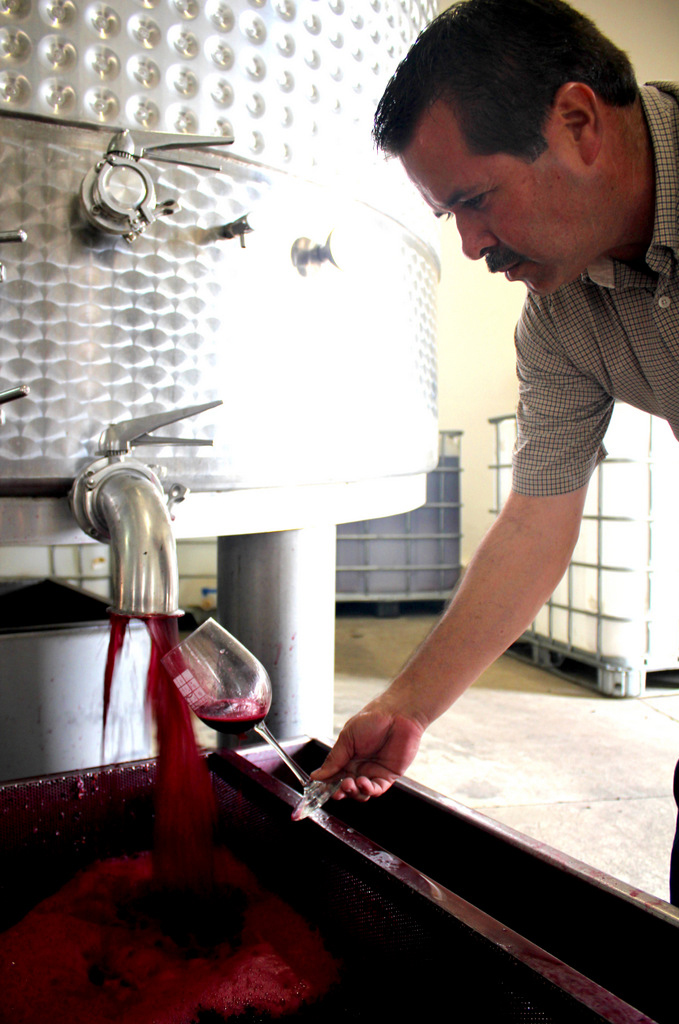
In the morning, we made our first winery stop at Las Nubes, sitting down with owner and oenologist Victor Segura. Sipping our way through each vintage, we discussed the past, present, and potential of Valle de Guadalupe. His green eyes, flecked with gold, sparkled in the morning light as he looked out over his vineyards.
“The valley right now,” he reflected, “is experiencing a gastronomical revolution. We knew we could not compete with Napa in terms of quantity, so we decided to focus on quality.”
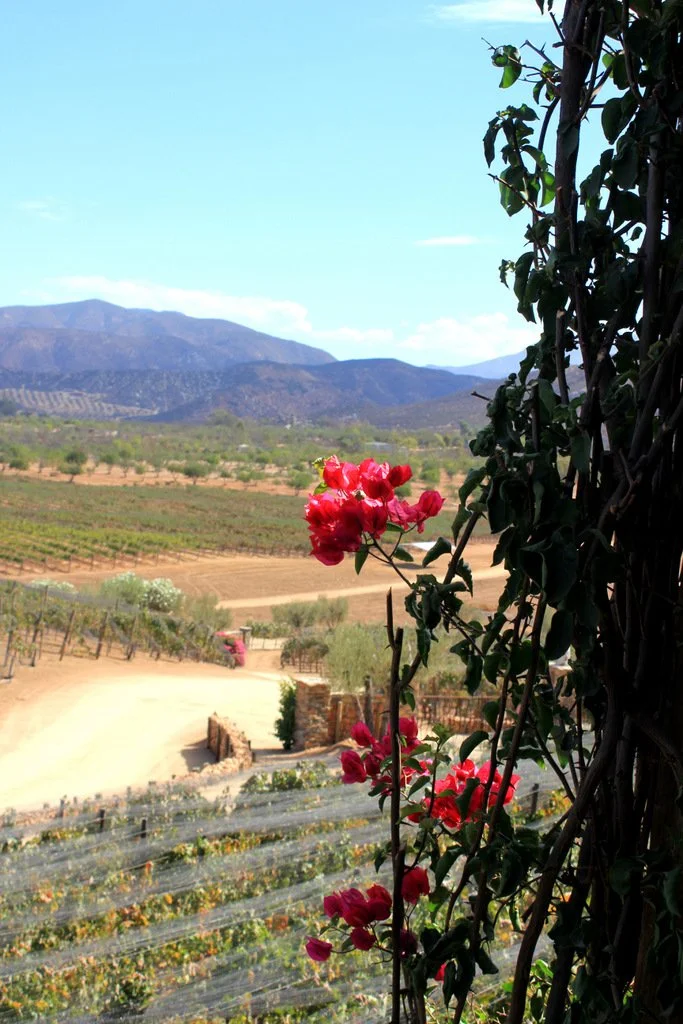
Though Victor insisted that there was no organized faction dictating the methods by which wineries and restaurants operated, he did admit that most follow a similar philosophy, which values organic, sustainable practices and uses only the best possible local ingredients. The dedication to the earth goes even further, I noticed, influencing the very aesthetic of the valley.
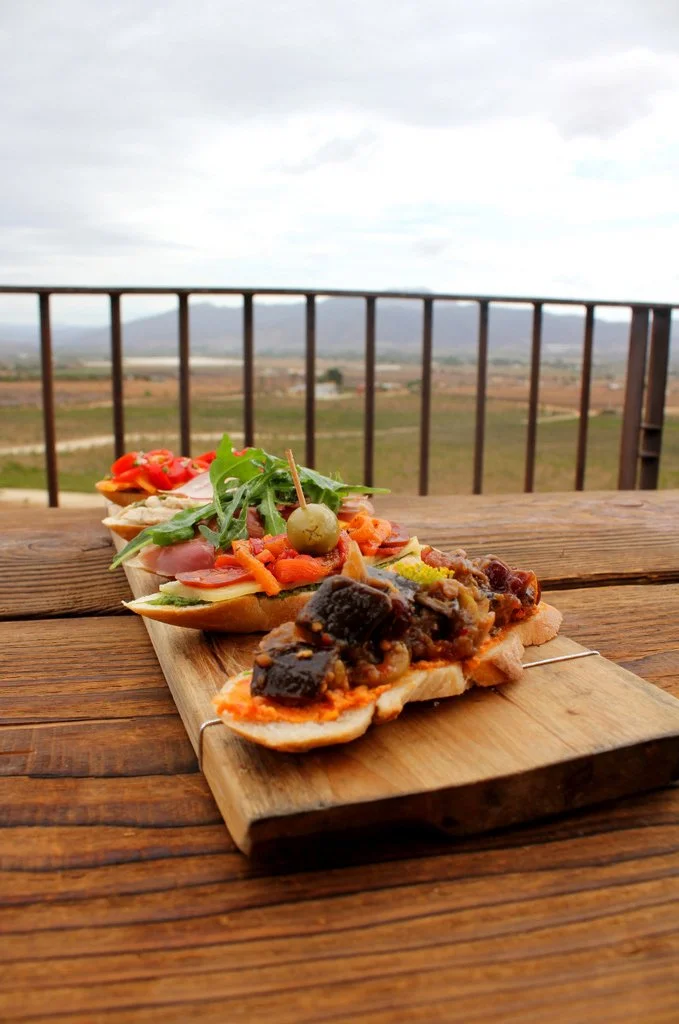
On weekends, Las Nubes partners with Criollo to offer wine tasters a variety of globally influenced tapas. We sampled each with delight, though our favorites were the chorizo montadito with roasted peppers, pesto, and local cheese, and the peach ricotta with prosciutto and arugula. As for the wines of Las Nubes, Victor’s thoughtful personality could be seen in each glass, whether he described it as happy or elegant.
His secret to crafting a good wine? Listen to the grapes; they will tell you what they want.
Valle de Guadalupe is one of those rare places that is both modern and innovative while remaining true to the spirit of its traditional culture.
Residents here have a deep respect for their land and, in return, have been blessed with a rich bounty that is used to its full potential. Rather than striving for a consistent menu, cuisine is focused on whatever is freshest at the moment. The wine, as I was frequently informed, is all about quality over quantity. As a result, both the food and the wine of this Mediterranean-like valley exhibit a robust diversity bursting with carefully curated flavor. Chefs from all over the world are flocking to Valle de Guadalupe, at least ten new wineries open each year, and the accolades are pouring in.
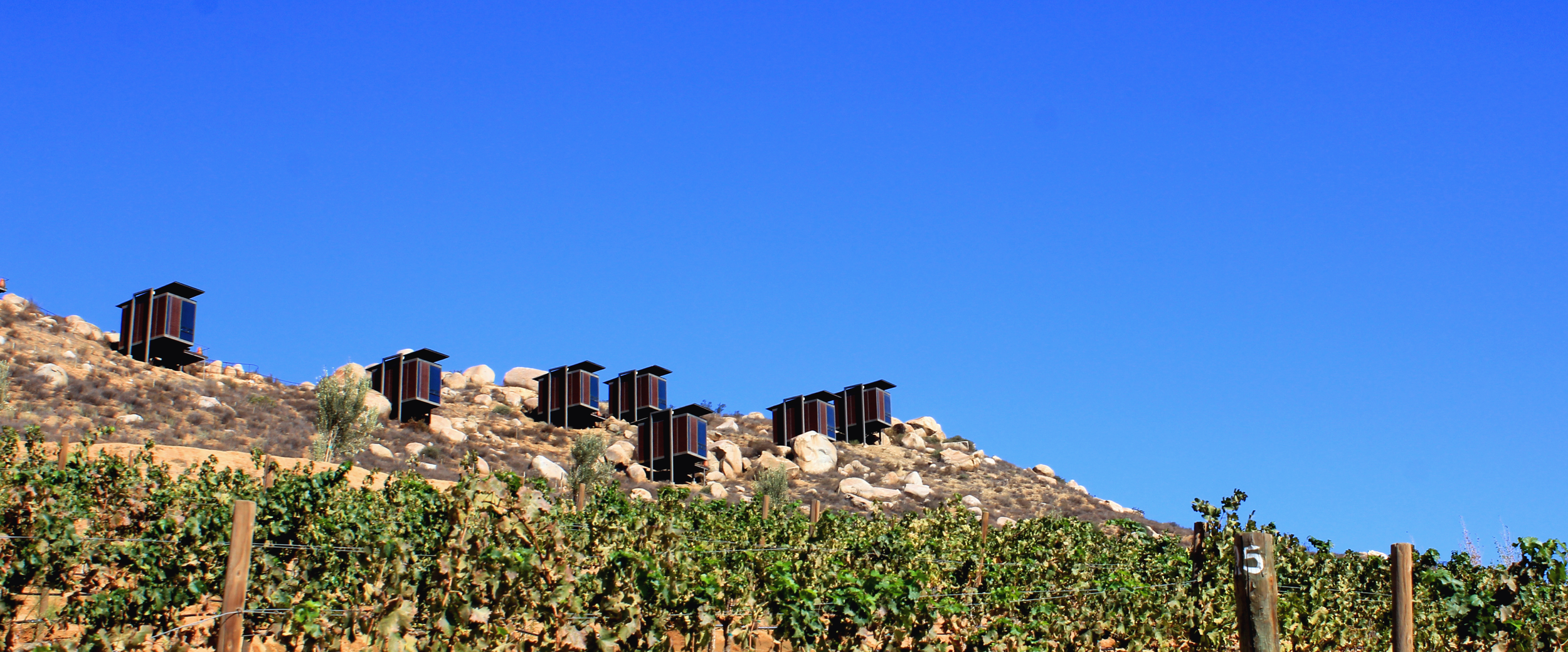
Hearing a rumor about the beauty of the drive, we decided to try the back route from San Diego, bypassing Tijuana and the coast. Enormous, smooth boulders completely cover the mountains, creating a bizarre and wonderful landscape as we sailed down the newly paved Route 3. Before too long, we were in green valleys with hand-painted signs advertising spiced olives and homemade marmelada. As we passed bustling tiendas and horses grazing in wide-open fields, we marveled that we had driven only ninety minutes from the border. After passing a half dozen or so wineries, the unmistakable lofts of Encuentro greeted us from their high vantage point on a hill.
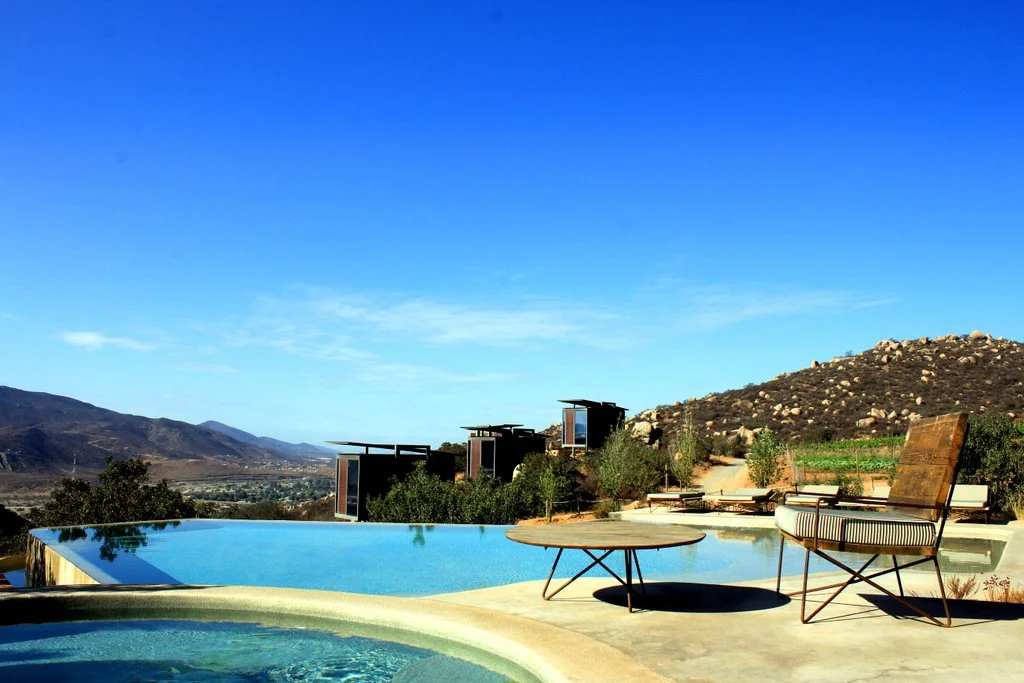
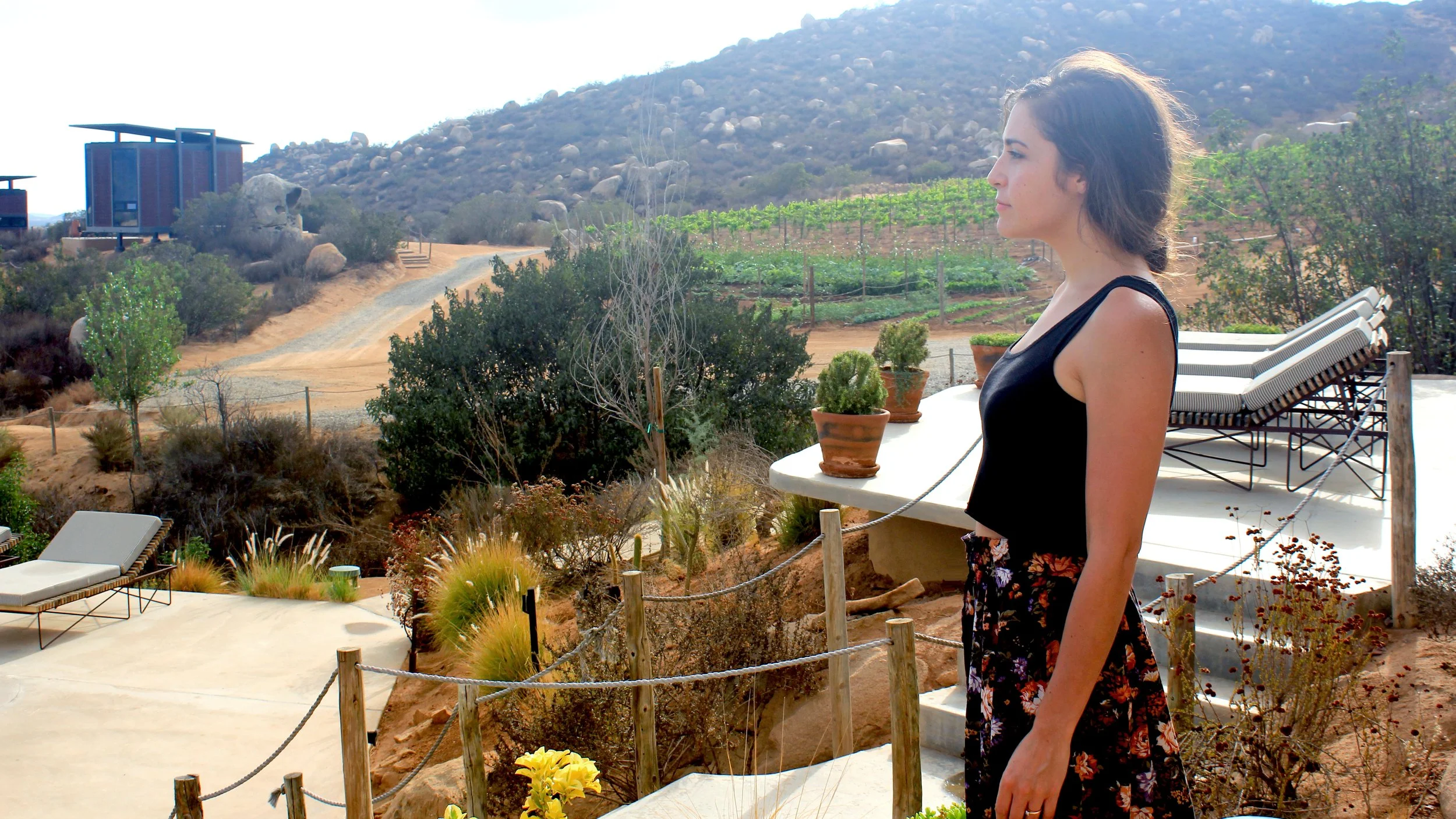
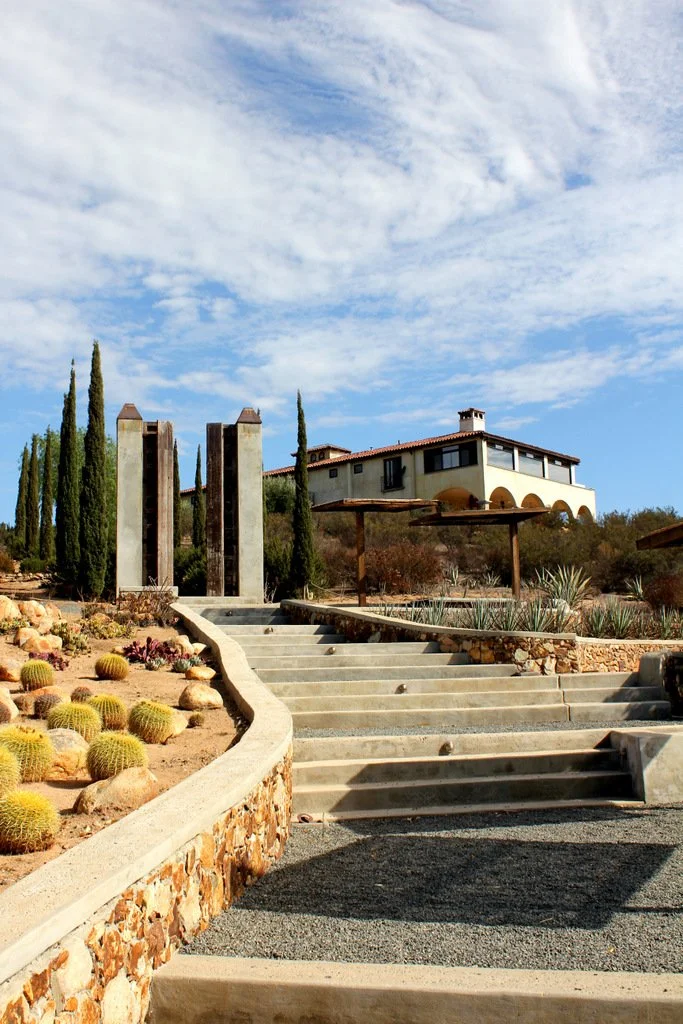
The unique minimalist cabins are a stunning sight, yet perfectly in tune with their surroundings. Described by its owners as an anti-resort, Encuentro was developed with the idea that true luxury exists within a balance of privacy, leisure, and harmony with nature. Later, as we sipped sparkling sangria and nibbled local cheeses by the infinity pool as the valley turned gold at sunset, we were inclined to agree.
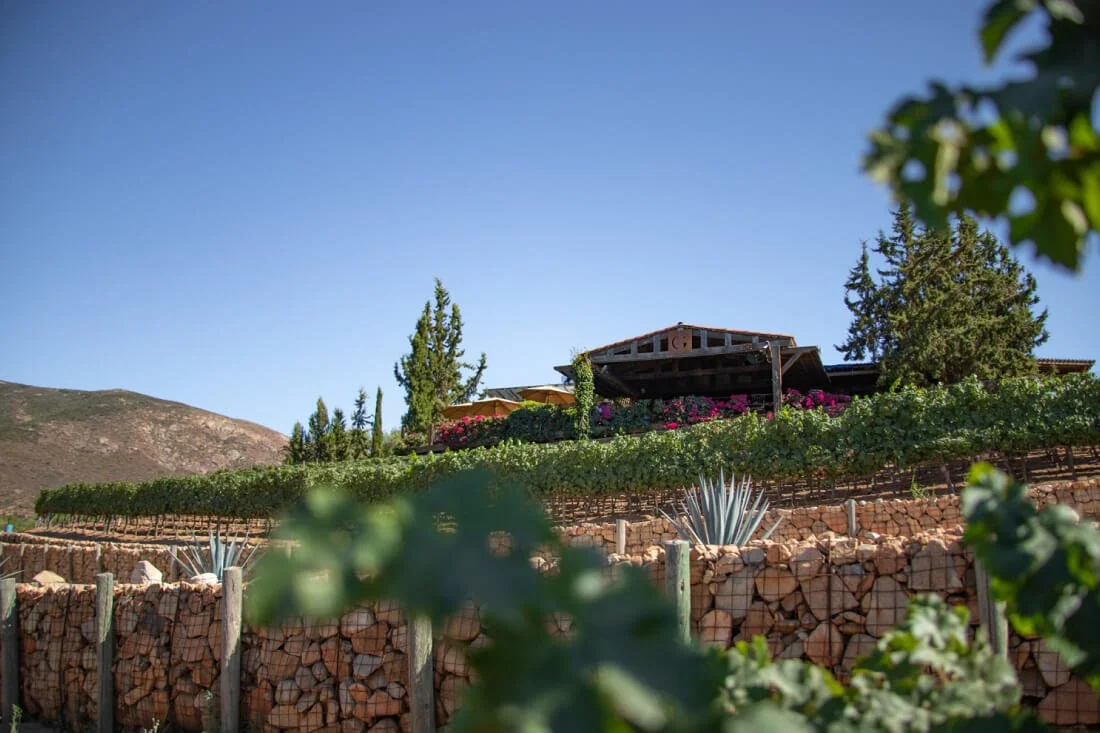
Originally a summer home with vineyards planted merely for decoration, Viñas de Garza is a family-run winery that has won numerous awards and boasts several wines over 90 points despite its short time in production. The wines of Viñas de Garza reflect the family, according to daughter Melissa Garza, exhibiting bold and robust flavors.
While sitting on their flowered tasting veranda, I asked her what their secret was, and she smiled, saying, “It is my father and the personal care he takes with each aspect of the process. He is a control freak who loves what he does.”

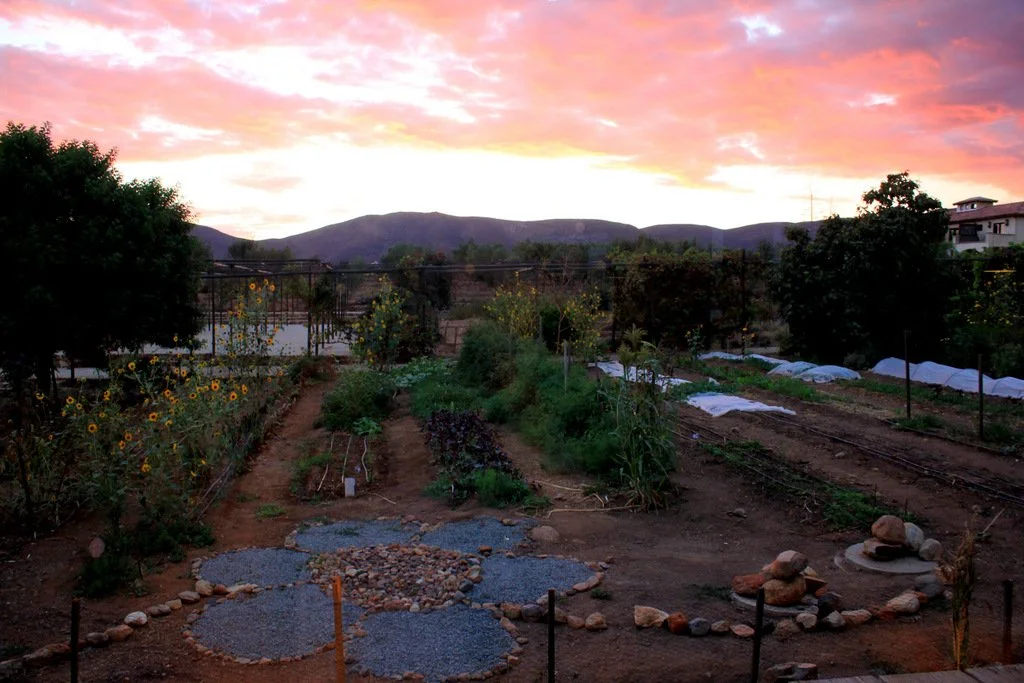
Down dusty roads with no names, but carefully posted with signs, we found La Villa del Valle, a luxury bed and breakfast with eclectic ranch charm. Eileen and Phil Gregory are expats who found their way to the valley to put their knowledge of sustainable practices to good use. Through their careful stewardship, seventy acres of vineyards, orchards, and gardens have blossomed tremendously.
Twenty thousand lavender plants make the air smell like heaven — and you can too, if you buy a bottle from their organic beauty line.
La Villa del Valle’s extensive grounds also feature a rock labyrinth perfect for meditation and a tree-lined path that leads to the pool, hot tub, and yoga studio. Wine tasting is available at Vena Cava just down the hill, a unique structure made from overturned boats and found objects. The six rooms of the villa are beautifully appointed in a luxurious Mexican ranch style and filled with artfully arranged paintings and sculptures by the owners, their friends, and other local artists. Guests are encouraged to strum the community guitar or borrow a book from the expansive shelves, which span an impressive range of authors and subjects. I selected a well-worn copy of Breakfast of Champions by Kurt Vonnegut Jr. to peruse on my semi-private balcony overlooking the fountains and gardens.
Also sharing the land is Corazon de Tierra, recently voted one of the top 50 restaurants in Latin America. The restaurant is a beautiful blend of modern and traditional, with raw wood and metal accents and chairs upholstered in Mexican textiles, creating a colorful feast for the eyes. A burbling pond hugs the tall windows, which look out onto the gardens. During dinner, a breathtaking sunset lit the room in rose hues. Having heard so much about the region’s craft beer, I selected Astillero IPA from a small microbrewery in Ensenada, which was floral, hoppy, and an ideal balance of sweet and bitter.
Though celebrated head chef Diego Hernández Baquedano was out for the evening, Francisco Ruano, aka “The Mayor,” crafted a custom six-course meal for us that was much like an orchestrated symphony, guiding us through a citrusy fish and avocado appetizer, colorful salad, tender octopus, deconstructed shepherd’s pie, grape palate cleanser, and a dessert that showed off the diversity of local figs. The valley comes alive on weekends, with many wineries also offering tasty bites.
During the week, the valley runs at a slower pace, ensuring a more intimate experience. Many restaurants are only open Thursday through Sunday, so check before you go. The best time of year to visit is fall and spring, as summer can be quite busy and winter weather brings a chill. Every August, the valley bursts with activity during the Wine Harvest Festival, though its increasing popularity makes it necessary to book lodging and events up to eight months in advance.
As we were coming to expect from the leaders in the region, the Garzas are dedicated to sustainability. Melissa assured us that everything that can go back into the earth does. Take a closer look at the gravel on the road, for instance, and you will see the tiny black rocks are actually grape seeds leftover from the winemaking process. With advance notice and a group of eight or more, it is possible to arrange for a premiere tour. This special tour provides an intimate look into the inner workings of the vineyard with one of the family members as guide, and Mother Garza cooks up a plate of homemade bites in an exclusive section of the tasting area.
After a few more winery stops, we headed to Malva, where Chef Roberto Alcocer has teamed up with childhood friend and oenologist Veronica Corona for their own unique take on the region’s gastronomic aesthetic. It’s a small operation, currently offering fewer than a dozen vintages, but, as we were coming to expect from the valley, it was all about quality and locally sourced ingredients.
Alcocer has been hailed as one of the top new chefs in Mexico, and his approach is a refreshing blend of innovative and traditional. As we pulled up, we saw him returning from the gardens with a large handful of freshly harvested greens. He crafted a feast for us featuring tuna, partridge, rabbit, pork, and an incredible variety of vegetables and edible flowers.
During dessert, Veronica joined us at our table. “Do you like the ice cream?” she asked. “We milk the goats every morning.”
Valle de Guadalupe is a testament to the partnership that can exist between humans and the land, showing unequivocally that when respect and love are put into the earth, it is returned tenfold. Throughout our visit, despite feasting unreservedly, we were left feeling bright and nurtured. This is an exciting moment for the valley, and if its current philosophy holds, it may well become a gastronomic paradise unrivaled in the world.